Recommended countryside (and non-Paris) hotels and restaurants, listed by region, roughly by distance from Paris
(and, at the bottom of this post, some useful web sites for researching hotels and restaurants)
Near/ surrounding Paris — Seine-et-Marne, Val d’Oise
How about a nice restaurant very near Charles de Gaulle (CDG) airport : Auberge
Tourlourou, 5 Place du Colonel Henri Rol-Tanguy, 93290 Tremblay
en France: We searched
extensively for a “first lunch” lunch place very close to CDG, and this is about 12 minutes by car (and a world away) if
you manage to leave terminal 2E expeditiously, which we did not. Sill, Madame Jocelyne Gonzalo was patiently
waiting for us in the doorway of her lovely little restaurant when we finally
arrived plus tard at 13:35. Pas de
problem, she kindly said. Her husband,
Jean Marc, is the chef. What a way to
begin a southern journey into the countryside.
Standout dishes: Grosses morilles
farcies (we split this); St Pierre with asperges; and, wow: ravioli hommard bleu et foie gras. A bonus:
You can, as we did, reserve directly by email, via their web site, http://www.auberge-tourlourou.com/ We will happily return.
Hotel le Prieure (Ermenonville, about 25 minutes east of CDG airport, in the Seine-et-Marne). This B&B (***) in Ermenonville is close to CDG, but feels very far away. (See our full review at Tripadvisor.) For nearby dining (about five or ten minutes walk) we have enjoyed La Table du Poète, a haute cuisine restaurant in a nearby elegant chateau/hotel (and it's open on Monday!) and La Croix d'Or (fine country dining and service).
Hotel de Londres (Fontainebleau, south of Paris, in the Seine-et-Marne). If you are going to stay in Fountainebleau, you may as well stay at this Napoleon III hotel, in a room (like ours, no. 11) that looks out to the Chateau. There is no restaurant at the hotel. On Sunday (the most difficult dining night outside major cities), we booked at Restaurant L’Angélus, in nearby Barbizon — a 10 minute drive. It was quite nice, with a pleasant atmosphere and fine service. On Monday (also a difficult restaurant night), we dined at Croquembouche, a walk of five minutes from the hotel. It was excellent — contemporary French cuisine at its best. (See our full review of Londres at Tripadvisor.)
La Ramure (Auvers-sur-Oise, where Van Gogh spent his last months, just north of Paris, Val d’Oise). This is (or was?) a simple, authentic & charming B & B. Dining nearby is fairly limited on a Monday night (when we were last there), but we enjoyed Le Troubadour, in L'isle Adam.
Fairly near Paris — east and west: Oren & Eure (southern Normandy, west of Paris), and Picardie (northeast of Paris)
Villa Fol Avril (Moutiers au Perche, near Mortagne-au-Perche, Alencon, Nogent-le-Rotrou, in the Oren (southern Normandy)). This is a delightful and classy inn (***) and restaurant (with a pool) in a tiny village in the little-traveled but beautiful Perche region, about two hours west of Paris. (It's run by a nice young couple; see our full review at Tripadvisor.) For lunch nearby in Le Parc natural regional de Perche, we enjoyed the simple and modern Boutique et Espace Gourmand.
Auberge de la Source (8, Place Saint Barthélémy, 77750 Saint Ouen sur Morin, just west of Meaux, in the Seine-et-Marne). We had a nice dinner and stay in this sleepy village one hour from CDG. At lunch fairly nearby we had, among other things, the very best, and only truly enjoyable, an douillette in many tries over the past many years. We were near Troyes, in Sezanne, at Le Relais Champenois, 57 rue Notre-Dame, and it was indeed “Andouillette de Troyes.”
Hotel du Tribunal
(Mortagne-au-Perche, near Alencon, in the Oren). This simple family-run hotel (**) with a good-value restaurant is located in the center of this nice little hilltop town. (See our full review at Tripadvisor.) Nearby in Alencon, where pickings were slim on a rainy Monday lunch, we enjoyed grilled meats in what felt like a faux-farmhouse, L'Escargot Dore. On a more interesting day trip to "Suisse Normande," we enjoyed lunch at Hotel Restaurant Au Site Normand, in Clecy. Finally, we must mention the odd town of La Chapelle Montligeon (and its cathedral in the middle of nowhere), where, on a Monday, with everything else closed, at the somewhat shabby Cafe (and Bar) de La Marie, decorated in far-away Provencal yellows but also festooned with strange posters of American Indians, we had a delightful and simple four-course lunch (10 euros each, cheap wine included) along with local workers who barely spoke with each other.
Hotel du Saumon (Verneuil sur Arve, near Dreux, in Eure (southern Normandy). This hotel barely makes it onto our recommended list. The rooms facing the town square are nice enough, and acceptable for a one-night stopover in 1950's fashion (this is especially so regarding the bathrooms), but we can't recommend the hotel's restaurant. (See our full review at Tripadvisor.)
Hotel de L'Abbaye (Longpont, near Soissons, in the Picardie). This 11-room hotel (**) and restaurant is located in a tiny, beautiful and quiet village about one hour northeast of CDG airport. The hotel is not fancy, but very charming, and offers a great demi-pension value (room, breakfast and dinner if you stay 3 nights — see our full review at Tripadvisor). In the general area (within an hour drive), we have enjoyed lunches at Hostellerie le Griffon, in Blerancourt; La Table Kobus, in Epernay; and Auberge du Lion d'Or, in Nanteuil-sur-Marne.
Normandie
Hotel d’Argouges (Bayeux, in Calvados, Basse-Normandie). A very nice hotel (***) sans restaurant; it's been a few years since we were there, but from the Web site it looks even better. For dinner nearby: Le Pommier.
Hotel La Chaîne d’Or (Les Andelys [actually in "Le Petit Andely"], along the Seine, in the Eure, Haute-Normandie). This is a nice riverside hotel (***) and very fine restaurant, run by a helpful and pleasant young couple, Stephanie and Olivier Bicot. Driving between CDG airport and Les Andelys, we had a great lunch at Au Coeur de la Foret, in Montmorency. In nearby Rouen, we enjoyed a rustic lunch at Le Toque d'Or. On the coast in Honfleur, we enjoyed fine seafood on the terrace of La Grenouille.
Hotel de Bretagne (Pontorson, near le Mont-Saint-Michel, in Manche, Basse-Normandie). This is simple hotel (**) with a quite nice restaurant.
Pays de la Loire — Maine et Loire/ Indre-et-Loire
La Croix d’Etain (Grez Neuville, aside the beautiful river Mayenne, near Angers, in the Maine et Loire). A beautiful and quiet little B & B estate run by a delightful older couple. (See our full review at Tripadvisor.) For nearby dining (about 15-20 minutes away by car), we enjoyed Auberge de la Diligence (fine country cuisine and service), in Loire; and Chateau de Noirieux (very fancy, haute cuisine), in Briollay.
Manoir les Minimes (Amboise, in the Indre-et-Loire). An elegant mansion (****), sans restaurant. (See our full review at Tripadvisor.) For nearby dining we enjoyed Le Pavillon Des Lys (haute cuisine, about five minutes walk from the manoir), and Auberge de Launay (fine country cuisine), about five minutes drive from Amboise, in Limeray Amboise. Farther afield (about 20 minutes drive), we enjoyed more fine county cuisine at Restaurant La Roseraie and Restaurant du Roy, both in Chenonceaux. Finally, near Chateau de Chambord we had a fine lunch at Restaurant Manoir Bel-Air, in Saint-Dye-sur-Loire.
Domaine de Beausejour (Panzoult, just outside Chinon, in the Indre-et-Loire). This elegant B & B (with a pool) is located in the vineyards and produces its own wine. (See our full review at Tripadvisor.) For nearby dining (about 5 minutes away by car, in Chinon), we enjoyed Hostellerie Gargantua (in a 15th century building), and Restaurant Les Annees 30. Farther away, while touring the countryside, we enjoyed Restaurant La Tourangelle, in Montlouis-sur-Loire (the best Grand-Marnier soufflé ever!), and La Promenade, in Saint Mathurin.
Bretagne
(Morbihan)
Chateau
Locguenole,
in 56700 Kervignac, http://www.chateau-de-locguenole.com/. For two nights we
had a lovely (upgraded) room and one dinner in the intimate and elegant starred
restaurant downstairs. We ordered a la
carte; most memorable dishes: oysters in a celery root puree; lobster in local
spices (was it Kari Grosse?); turbot in white Burgundy with truffles . . . . Lunch south of there, nearish Carnac: Le Petit Hôtel du Grand Large — also one star — but a very different and casual feel. http://www.lepetithoteldugrandlarge.fr/. There we had excellent
seafood accompanied by an aged Muscadet, and we enjoyed speaking with the three
women who run the front of the house. Then
on a Monday night, with few other options, we had a totally uninspired and
disappointing dinner at a portside place recommended to us — Le Cargo, in 56570
Locmiquelic — we should have just gone to a local crêperie.
Bretagne
(Finistère)
Le
Moulin de Rosmadec, http://www.moulinderosmadec.com in Pont-Aven. Nice room and setting in the middle of this busy touristy
town, but the restaurant disappointed a bit — for
example, a lobster dish was too fussed up and hid the taste of the lobster. Nearby for lunch after hiking the Aven river — first upstream and then downstream to its mouth — we had traditional crêpes in
the thatched roof Chez Angele, www.creperie-chezangele.fr, which we understand is under new ownership. It now appears to
be a husband/wife operation (she does the cooking and he seriously and
efficiently runs the front) and the crepes were quite good. Farther west and on the coast we had
another good seafood lunch below Quimper, in 29120 Sainte-Marine (opposite
Benodet) at Bistrot du Bac, http://www.trimen.fr/en/the-restaurants/a-bistrot-from-the-sea/. No comparison
with the excellent Le
Petit Hôtel du Grand Large, tho.
Manoir de Kerledan, in 29270
Carhaix-Plouguer. http://www.kerledan.com/ This is a
lovely manoir house with a fun table d’hote.
The nice British proprietors seem to attract mostly English-speaking
guests? Still, we did enjoy dining and
talking with our Dutch tableneighbors.
Hotel Temps
de Vivre, http://www.letempsdevivre.net/en/ Roscoff. A very nice **** hotel right on the water,
overlooking the Ile de
Bratz.
We walked across town to dinner at the too brightly lit Les Alizes, http://www.les-alizes-roscoff.com/. Food and service were
OK, not great, and we could not even finish the huge portion of moules. The recommended crêperie, Ty
Saozon, was closed on our day there (a Thursday); and so we went to another
down the same street, Crêperie La Chandeleur, it was quite good enough.
Bretagne
(Cotes-d’Armor)
Manoir
de la Hazaie,
http://www.manoir-hazaie.com/chambres-d-hotes.html, 22400
Planguenoual, a lovely B&B with a limited table d’hote (Christine accepts
reservations for only 6 covers at three separate candelabra-set tables in this
ancient manoir). Home made foie gras,
etc., and reasonably priced wines selected by her husband, Jean-Yves; solid cooking,
nice folks. Nearby for lunch: We drove to St-Brieuc, trying to dine at both
Youpala Bistrot and Aux Pesked (both full, you must reserve), and ended up at a
nice little dive, Le Bistro du Marin, in 22190 Plerin, where we got the last
table at 13:30 and had excellent and simple salad, house white, and dandy mouels-frites.
Bretagne
(Ille-et-Vilaine)
Les Rimains, http://www.maisons-de-bricourt.com/les-Maisons-de-Bricourt/les-rimains.php, in Cancale. This was probably the highlight of our lovely
clockwise tour. We stayed two nights at and
splurged for the Badienne
room — the most dramatic we’ve ever experienced, with breakfast
in front of our fireplace. We dined at Olivier
Roellinger’s Le
Coquillage (the main dish we
recall: Lamb from Mont Saint-Michel, for
two), located in the Hotel of Les Maisons De Bricourt — a private car takes you to the restaurant from
Les Rimains. Next night, for a change of
pace, we enjoyed walking to diner at La Table de Breizh
Café, the restaurant (one *) above the café — where we sat at the
bar watched the Japanese chefs prepare our costy
but excellent plates. http://www.breizhcafe.com. Also in Cancalle, we had two nice seafood
lunches at L’Ormeau 4 quai Thomas F, and Le Troquet, 19 quai
Gambetta — both right on the harbor, both in Michelin — both a bit touristy, but what the heck,
and at least we were with French tourists.
Nearby, in St. Malo, before dropping the car and taking
the train back to Paris, we tried to have lunch at the Bordier place, Restaurant Autour du Beurre , http://www.lefooding.com/restaurant/restaurant-autour-du-beurre-saint-malo.html,
but it was closed
(Monday). We should have gone to Restaurant Le Cambusier, very nearby, www.cambusier.fr; http://www.lefooding.com/restaurant/restaurant-le-cambusier-saint-malo.html ;
but instead chose the old fashioned place, Al la Duchesse Anne, http://www.restaurant-duchesse-anne.com/, which was OK, but no more.
Loire-Altantique
Hotel Fort de l’Ocean (Le Croisic, near Nantes, in the Loire-Altantique). This is a super-dramatic Relais & Chateau establishment (****), with a fine restaurant, on the windy and “wild” coast. (See our full review at Tripadvisor.) For nearby dining (about 15-20 minutes away by car), we enjoyed Le Nezil, in Saint-Lyphard; and fairly nearby, in Nantes, we enjoyed the classic 1900 brasserie, La Cigale.
Centre/ Cher
La
Chanceliere,
http://www.la-chanceliere.com/ 5 rue Hilaire Amagat, Saint Satur, 18300, Sancerre. This a lovely and well-appointed six or so bedroom
ancient manor house run by a friendly and very helpful couple, Nicole and Jacques,
and their two dogs. Super and extremely
generous breakfasts are served in the four different downstairs parlors -- and in
good weather, on the terrace, with a view of Sancerre perched atop its small mountain. We would happily return here. Dining nearby:
Dinners: Le Laurier, Saint Satur, https://www.lelaurier-sancerre.fr, a minute’s walk from La Chanceliere, was the dinner
of the trip. Standouts: Escargot, tripe, tete de veau. This is old school in the best sense, and very
well described (with great pics) by our dining companion here: http://foodandsens.com/made-by-f-and-s/a-la-petite-cuillere/le-laurier-saint-satur/. We enjoyed this so much, we returned for
Sunday lunch, which was also lovely. Also:
l'Auberge
du Vigneron, just a bit northwest of Sancerre, in Verdigny, https://www.facebook.com/Lauberge-du-vigneron was hearty and good
(ubiquitous grilled chevere
crottins with lardons; beef for two), but not memorable, except that the
lighting was too bright. Finally, a Sunday
night dinner at a local sports bar / pizzeria hangout, Auberge L’Ecurie,
Sancerre, www.auberge-ecurie.fr
was
good, but nothing really special.
Lunches: Le Bistro des Monts Damnes, in Chavignol, https://www.montsdamnes.com/en/bistro/ . We happily went twice to this hopping, crowed,
and very local place in a lovely village with its famous steep vineyards. Standouts: tete de veau, wonderfully light
and cheesy tourte au
chavignol; bar in cream. Driving south to the Auvergne, we had a
nice fresh fish lunch at Le Lion D’Argent, 36400 La Chatre, www.leliondargent.com, finishing with
a fine Grand Marnier soufflé.
Note: We were unable to get in to Le Chat, https://www.restaurant-lechat.fr/en/
, but a week later, on our return
drive from the south to Paris, we had a lovely Sunday lunch here in the sleepy hamlet of Cosne-sur-Loire.
This ended up being our favorite lunch of
our 8-day trip. Standouts: asparagus soup
with smoked fish pate; pork belly atop lentils; perfectly prepared tuna with (roasted
seaweed?) atop mushrooms. Nice wine list,
and lovely old bottles decorating the bright and lively room. We ended up visited here twice as well -- but
the second, just 30 minutes after we departed, was to retrieve my wallet, which
I managed to drop there. We figured that
out only as we approached the first A77 toll booth -- and then backed up 600
meters on the shoulder of the autoroute, across an onramp to the prior exit, before
quickly calling the restaurant just before they closed up for 36 hours. Now that’s a memory!
Centre/ Indre
Manoir de Boisvillers (Argenton-sur-Creuse, south of Châteauroux, north of Limoges). This hotel (***) is an 18th century manor house, set in a private park with a nice pool. (Reasonable rates; no restaurant — but we had a fine dinner on the "agréable terrasse" of the Hotel/Restaurant Le Cheval Noir, an easy walk from the hotel.)
Auvergne/ Allier
Château d'Ygrande (near Moulins and Montlucon, northern Auvergne, in the Allier). This is an elegant chateau hotel and restaurant with pool, horse riding, and walks with the hotel’s weimaraners through chestnut tree forests. (See our two older reviews at Tripadvisor.)
Dining out and about during our most recent (third) stay: We visited Saint-Pourçain, where we walked and drove in the vineyards and had
lake fish at Auberge des Aubrelles, https://www.tripadvisor.com/Restaurant_Review-g1893587-d2295954-Reviews-Auberge_des_Aubrelles-Saint_Pourcain_sur_Sioule_Allier_Auvergne_Rhone_Alpes.html. Lunch and signature foie
gras was good at La
Table du Prince, www.maison-conde.com in the lovely
old village of 03140 Charroux (excellent mustards made in the adjoining
buildings). But the best dining in this
area was our Italian-influenced lunch at Le Bistrot de Guillaume, https://fr-fr.facebook.com/Le-bistrot-de-guillaume-847387791949763/ in the lovely city of Moulins. Standouts: arancini; and risotto with asparagus.
On prior stays we visited the Chateau d’Ainay-Le-Vieil (aka “Petit Carcassone”) and toured its amazing interiors and gardens; visited Abbaye de Noirlac (a well-preserved Cistercian Abbey dating from 1150); and visited the Forrest of Tronçais. For lunch dining, we enjoyed Auberge de l’Abbaye de Noirlac and Le Tronçais — each was “tres agreeable.” On an ever earlier visit we enjoyed lunch at the simple Restaurant Les Trois Puits, in Bourbon l'Archambault; and, about an hour dive from the chateau (in the direction of Roanne), we had a fine lunch at Hotel Restaurant Galland, in Lapalisse.
Auvergne/ Puy-de-Dome
Castel Hotel 1904, http://castel-hotel-1904.com/en,1,6947.html 63390 Saint-Gervais-d’Auvergne. Simple and pleasant rooms. Family run for five generations. Unfortunately the beautiful main dining room/
restaurant was not open during our visit, and we settled on the hotel’s bistro,
Comptoir à Moustaches. But there were some lovely standouts: the restaurant’s generations-old special, a piping
hot “crêpe Célina,” served in an iron gratin dish, made with copious cream; and, to a lesser extent, the pâté de pommes de terre -- layers
of sliced potatoes with bits of bacon and/or ham and again lots of cream. Lunch in Clermont-Ferrand was good
at Le
Duguesclin, http://colombierx.wixsite.com/le-duguesclin-resto. and certainly the cooking was a counterpoint to the hearty traditional fare at the Castel Hotel.
Auvergne/ Cantal
Hotel Remise/Fontaine de Gregoire, in St. Urcize (southern
Cantal, near Nasbinals, Lozère,
and also next door to the Aveyron). We approached from the south by driving north via
Lodève (where we picnic shopped for our jambon, beurre, fromage & bread at
the street market) over the dramatic and rugged Pégairolles-de-l’Escalette to
the Viaduc de Millau — a great place for a picnic. Then on through the changing and somewhat
barren/ rugged landscape, dotted by large boulders and bovine breeds, tan
Aubracs, and russet Salers, up to St. Urcize. We stayed at Fontaine de Gregoire, which is
the chambre d’hote associated with the Hotel Remise, run by Isabelle and Fred, and
their daughter and son in law.
The food is simple and there are no choices. We dined two nights at the
hotel’s very informal restaurant/cafe
on the ground floor adjacent to the bar. Fred brought us a terrine of hot leek potato
soup; aligot with sausage; cheeses; and flan.
All with a pleasant Marcillac (rouge).
And a glass of prune eau de vie. On
the second night we had grilled thick beef — sweet and tasty, with slightly
overcooked carrots. Only the plat and
its accompanying dish changed over the two consecutive dinners. Also on the second night we (well, I) finished
with a glass of Avèze, made from the local plant, la gentiane. Fred told us that they are remodeling the
rooms in the hotel, enlarging them and reducing their number from 16 to
10.
The Fontaine de Gregoire, a chambre d’hote, is down the hill
from the hotel/restaurant Remise. It’s comprised
of five luxe and spacious bedrooms. Again
Fred served, and on the second day, there being no other guests, he sat down
and chatted. And drew maps of
recommended sites, including a local and hard to find (we finally did) ancient
Roman road. One of the highlights of
breakfast was the local “fougasse” (or “fouace” in Laguiole?) brioche. Great with butter or, better — the other
highlight of our meal, and also in a photo: house made green tomato jam, wow.
Dining nearby: Restaurant de la Domerie, in 12470 Aubrac
(Aveyron): We suddenly had an urge to
take a look at and try to book lunch at Michel Bras for the next day. We drove over to his nearby sleek hilltop
perch and put our names on a waiting list.
No success, but Fred recommended Domerie, also somewhat nearby. In a very
pleasant room on a Sunday afternoon we enjoyed two 23€ menus.
Haute Savoie
Flocons de sel, Megeve (actually, just outside, on the shoulder of a mountain), http://www.floconsdesel.com/uk/flocons-de-sel-megeve-official-site.php, is a special place. See our review here (including other dining nearby): http://chowhound.chow.com/topics/995850?commentId=9329832#9329832
Pere Bise, Talloires (right on lake Annecy), http://www.perebise.com/uk/index.php. See our review here: http://chowhound.chow.com/topics/995850?commentId=9329832#9329832
Les Roches Fleuries (Cordon, near Chamonix, in the Haute Savoie). This is a very impressive hotel/chalet (****) with three restaurants. We stopped for a nice lunch about a half hour from Cordon (in the direction of Geneva) at Le Bois du Seigneur, in Les Gets, Morzine. A bit farther in the other direction — just on the Italian side of the Mont Blanc tunnel — we enjoyed lunch at Ristorante Pizzeria La Piazzetta, in Courmayeur.
Coin Savoyard (Combloux, near Chamonix, in the Haute Savoie). A chalet (***) and restaurant, with pool, in a delightful mountain village. On a nearby mountain hike, we enjoyed lunch at La P'tite Ravine, which also serves skiers on the slopes in winter. On a day trip drive to Samoens, we enjoyed lunch at Relais des Vallees, atop the Col de Joux-Plane.
Hotel de Savoie (Annecy, in the Haute Savoie). This little hotel (**), with some rooms more charming than others, is perfectly located in the old town on the canal. We enjoyed dinner in the adjoining restaurant, Auberge de Savoie.
La Vallombreuse (Menthon-St.-Bernard, near Annecy, in the Haute Savoie).
A dramatic B&B in an old country mansion sitting directly below an even more dramatic castle on lake Annecy. (See our full review at Tripadvisor.) We enjoyed a nice dinner at the stylish Le Poupeton, less than a ten minute walk away. We also had a good dinner at Hotel Restaurant La Villa des Fleurs, in Talloires — along with lunch at the local hangout, Cafe de La Place, also in Talloires. Note: On our next visit, we plan to dine at the nearby Ferme de la Charbonniere.
Le Vieux Logis (Yvoire, on Lake Geneva, in the Haute Savoie). A hotel (***) and restaurant in a charming (but touristy) medieval lakeside village. Some rooms could use updating, but the views are incredible. (See our full review at Tripadvisor.) We had a nice but simple lunch across from the lake at Hotel-Restaurant Le Leman, just outside Saint-Gingolph — about 45 minutes southeast of Yvoire. (And, over the border in Switzerland, across from the incredible Chateau de Chillon, we had a fine lunch at Taverne du Chateau de Chillon, in Veytaux-Montreau.)
Beaujolais
Auberge du
Paradis, http://www.aubergeduparadis.fr/index.ph
p?lang=en- (Saint-Amour-Bellevue). This stylish small inn,
located on the “square” (basically a municipal parking lot) of a sleepy but as
its name promises lovely village in northern Beaujolais, has an even more
stylish — and almost outlandish — one-star restaurant downstairs on the ground
floor. Each bedroom (we stayed in
Gingembre, which we also learned to pronounce) is named after a spice; and each
dish listed on the 69 euro no-choice tasting menu identifies a predominant
spice. Standouts: Puree of aubergines with pistachio, melon,
“sorbet au lait chevre sale poivre” with basil and tandoori spices; tempura of
shrimps with cardamone verte. Very
nice.
Right
across the central square/parking lot around which the village is centered is,
of all things, another one-star restaurant — one
of three branches, all staffed by Japanese chefs, presenting French cooking (I think
the mothership is in Lyon): Au 14 Fevrier,
www.au14fevrier.com. We had the 75 euro tasting menu (passing on
the even longer 92 offering), and the wine tasting as well. It was all a bit cute and overly fussy, but
still it was fun. Standouts, among the
exceptionally complex plates: “Poelee de
foie gras de canard du Perigord cuit” in a crusty manner with a puree of
potatoes perfumed with wild mushrooms; and rolled porc iberico “enrobe dans une
crepinette et longuement roti” on a risotto of mussels with espelette and
paprika, and even more things we can’t recall now . . . . And among the wide range of wines (including
a tokaji furmint), there was a ringer: a 1997(!) Aligote from Pierre Morey was
surprisingly distinctive, fresh and earthy at once.
Breakfast
at the auberge looks fantastic, for those who want such a thing, but we don’t. And so we drove about 30 minutes by back
roads down and over to the even more sleepy village of Chiroubles, in an
attempt to have an espresso and such at the “bar/restaurant” Le Chiroublon, where
we’ve had some nice lunches in past years at the restaurant in back. But tant pis, the bar was closed that morning,
as were most other places in nearby villages.
So, no breakfast at all that day. But the next day we drove a couple kilometers
to the pretty village of Chaintre (which boasts yet another one star table of
that same name, http://www.latabledechaintre.com/uk/index.php and it looks
good), to the village café / restaturant, Fleurs de Vigne. This little place was simple, fresh, and
inviting, and we’d be happy to return for a simple lunch or dinner.
Lunch
in Macon: We asked the very pleasant Paradis
proprietors for a lunch recommendation in Macon, and they sent us to Le Carafe,
http://www.lecarafe.fr, a
bistro-cave-restaurant, in the center of town, just 4 minutes walking from the
Saone river. Here we did not exactly go
light. Standouts: Andouillette veau (super!) and
langue de boeuf (same), accompanied by a nice Domaine Valette Macon-Chaintre
blanc, in a “natural” (cloudy and a bit oxidative) style — wow, lovely.
We had a lot of walking off to do after this lunch, and so we ended up
seeing quite a bit of Macon.
Chez la Rose (Julienas, in the Beaujolais). This is a nice hotel and restaurant, run by a young couple. In the area, we have enjoyed more than one lunch at Le Chiroublon (a simple local gem), in Chiroubles. Also pleasant is La Vieille Auberge d'Oingt, in Le Bourg Oingt; and the simple Restaurant Le Fleurie, near the gare in Villefranche-sur-Saone. Farther away, but "worth the trip" for haute cuisine, is Restaurant Jean Brouilly, about an hour south in Tarare.
Bourgogne/ Yonne
La Maison du Moulin de
Roches, http://www.chablis-maisondumoulindesroches.fr, is a 15-20 minute
walk over bubbling streams to the center of Chablis and its restaurants. The helpful and engaging young proprietor, Thierry Grandet (we met his wife, Anne,
only as we were departing), made all dining reservations for us after we
consulted by email. Dinner at Le Bistrot des Grands Crus was good, but not great-- (it’s
hard to forgive one of the two eggs in the meurette being hard boiled). The two standout dishes: Fish stewed in Chablis, and Andouillette de
Chablis. There’s a decent selection of
local namesake wines in demis. http://www.bistrotdesgrandscrus.com/index.php
Dinner at L'Hostellerie des Clos, http://www.hostellerie-des-clos.fr/restaurant_uk.php , was about what
we expected: Elegant, rather formal (but
not too stuffy), and costy. Standout:
One of us got the “menu morilles,” featuring three dishes exploiting that
lovely fungus. There’s a pretty good
selection of demis; we had a Chablis grand cru and a nearby Irancy. We also enjoyed a light lunch of bread, sausage and cheese,
along with an organized wine tasting session of the four grades (petit Chablis,
Chablis, 1er, and, grand cru) at “Signé Chablis,” http://caviste-chablis.fr This is a new wine shop on the main street,
where you can taste with simple foods and buy wines from many (about 100?) producers
in the area. We were very well entertained
and educated there by one of the proprietors, Guillaume Bardet.
Hotel les deux Ponts (Pierre-Perthuis, near Vezelay, in the Yonne, Bourgogne). A hotel (**) and fine restaurant in a tiny village run by a young couple — he is the Chef; she, originally from the Netherlands, runs the hotel. (See our full review at Tripadvisor.) We enjoyed a nice — albeit quite spartan — lunch of cider, cheese and hot broth by the fire at Ancienne Hostellerie de l'Abbaye XIIeme, in Vezelay, and about an hour away, we enjoyed a great lunch at the stylish Wine Bar Laroche/ Hotel Restaurant du Vieux Moulin, in Chablis.
La Fontaine aux Muses (La Celle Saint-Cyr, 9 km from Joigny in the Yonne, Bourgogne). This charming hotel/restaurant, with a pool, is know for hosting live jazz events.
Bourgogne/ Cote d'Or -- Cote de nuits
Les Deux Chevres, http://www.lesdeuxchevres.com, in Gevrey-Chambertin, is sandwiched by vineyards front and back (with
a partial view from the backyard of 1er cru Le Clos St Jacques). As we always hope for, we again had very
helpful and engaging proprietors (Paul & Jolanta) who, after consulting in
advance, made most dining reservations for us: at Chez Guy, http://www.chez-guy.com, a 90
seconds walk from the hotel. Standouts: Mushroom ravioli, veal medallions, canard
terrine. A pork chop was good, but not
better than our own at home. And the wine
list indeed impressive albeit high. Overall
we thought the room, although bright, a bit severe and cold -- and we did not quite
experience the anticipated conviviality suggested by the “and family” phrase
appended to the restaurant’s name. On
reflection, tho, this was the best food of our three dinners in and around
Gevrey.
We had warm feelings and good (not great) food at Au Clos Napoleon, in
nearby Fixin, http://www.clos-napoleon.com/artc/LES_VINS/25/fr/ (The 1er cru vineyard of that name is just opposite;
in good weather they serve on a terrace there.)
This was a much more local crowd, with many families and groups of
friends, some bickering, but ce’est la vie, and in French. Among the simple and well-prepared (and
generously portioned) cooking: Rolled
stuffed rabbit with whole gained mustard sauce and spinach, pork cheeks with
mashed potatoes.
On a Sunday we dined at Le Chambolle-Mussigny,
in the village of that name, http://www.restaurant-lechambolle.com/index_uk.htm This is a husband
(chef) and wife team, Eric and Martine Claudel.
The wine list is very good, and we sat at one of the two tables in the
raised area near the big fireplace, instead of the simple lower main dining room,
which was rather too brightly lit. Standouts: Little duck legs braised in red wine,
accompanied by a slab of foie gras that contained whole cherries macerated in eau de vie, and a super-flakey
apple tart for dessert.
Nearby, we enjoyed lunches at Au Petit Bonheur, 21220 Curtil-Vergy, http://aubergeaupetitbonheur.com/index-uk.html This simple and fun
place in the hills above Nuits is known for serving fresh
products from local producers and live music at night. Apparently the proprietor is a Neil Young
fan. The lunch standout was what the
nearby table of local blue-collar workers also had: eggs poached in Epoisses,
with a demi of local wine from the nearby hills (Hautes
Cotes).
La Toute Petite Auberge, http://www.latoutepetiteauberge.fr/?langue=en, in Vosne-Romanee, is a family-run place, right on the busy Route
Nationale, with a nice garden room in the back, where we were lucky to get a
table (sans res) on a Saturday afternoon and then watched both rooms fill up,
with many folks without reservations turned away. It appeared to us that father was in the
kitchen, while mom, daughter(s?), and maybe son took care of the room, with a
charming combination of friendliness and efficiency. This was not great, but solid cooking, and
the family team give a feeling of the elusive “soul.” Standouts:
Jous (cheeks) de raie, and Grenouilles served in a mini candle-heated
ceramic pot to keep legs and the garlic-butter-parsley sauce piping hot. http://domainejeantardy.canalblog.com)
Castel
de Tres Girard, http://www.castel-tres-girard.com/uk/index.php#restaurant.php Morey
St-Denis. The morning started in Fixin,
where three old nuns, one yielding a six-inch ancient key, gently booted us out
of the local Romanesque church, telling us we could find a Mass about to start
in 5 minutes down at Gevrey. We followed
the nuns there along the route des grands crus, where, at the end of the
service, we realized it was turning into a baptism ceremony. We were not sure, but thought the priest, in
summing up, spoke of roast pig. Hmmm? We drove further down the route des grands
crus to Morey, for lunch at Castel de Tres Girard, across
the road from the village vineyard of that name, where we again found our pals the
baptism party (sans nuns), getting ready to enjoy roast suckling pig that was
resting atop glowing embers. These folks
celebrated in a private room, while we were escorted into the modern and sunny main
dining room. It was quiet and early --
and the young Asian chef came to our table.
After mentioning that one of us wished to go a bit light to save room
for dinner, he happily revised two items on the carte. There was a lovely delicate soup, but the standout
was still the richest dish: Beef
tenderloin rounds that suggested the essence of having been cooked in rolled seaweed
– and served with glass of Mangien 2010 from the village vineyard Tres Girard, across
the road. On reflection, this was high
quality and good value. Next time we
will go for dinner.
Hotel Clos du Colombier (1 Rue du Colombier, 21630 Pommard, just south of Beaune). This nice (***) hotel is set inside the walls of the Colombier vineyard at the edge of Pommard is run by a husband and wife team, Philippe and Véronique Barthelmebs. Both speak excellent English (she’s a native English speaker). The rooms are comfortable and airy; the village itself is gem — a real working wine town with no glitzy touristy touches to speak of. We walked to dinner at Auprès du Clocher (“Near the Bell-tower”), 1 rue de Nackenheim, in "downtown" Pommard. We still remember the escargot raviolis we had there, and overall, we enjoyed it more than the considerably more expensive dinner at Jardin des Ramparts in Beaune, 10 rue Hôtel-Dieu. For lunch in the heart of Beaune, we enjoyed and would happily return to Le Gourmandin, 8, place Carnot, which also looks to be a promising little hotel if one wants to stay in the city.
Gite No. 473 (Hauteroche, near Dijon, in the Cote d’Or, Bourgogne). The hamlet in which this country house rental (gite) is located is so small, it lacks any commerce — not even a boulangerie. (But a grocery/ bread van serves it daily.) We enjoyed dinners nearby at Auberge du Cheval Blanc, in Alesia, and Hotel Restaurant Le Relais de Flavigny, in Flavigny-sur-Ozerain, and lunch at Restaurant de l'Auxois, in Vandenesse en Auxois. In Dijon — a 40 minute drive — we had a good lunch at Le Spice (international cuisine).
Bourgogne/ Cote d'Or -- Cote de Beaune
La Chouette, http://www.chateauxhotels.co.uk/La-Chouette-2435-http://www.la-chouette.fr/en/, is a five room hotel/chambre
d’hote offering a fine included breakfast that each morning was far more
generous than what we needed or consumed.
We discovered after chatting with the proprietor, Suzanne, over the
course of three days that she and her husband have for about 20 years owned
another hotel and restaurant a three minute walk away . . . .
L’Annexe, www.annexedeschais.fr, which turned out to be a
light and stylish place back in the middle of Givry. We entered, sans res, at 12:45 and got one of
the last tables, overlooking the garden.
We each took the 18 euro menu, with two choices for each course. Standouts were the simple entrees: oeuf
poche, sauce Meurette; and “Declimaison d’adocats, crevettes” & grapefruit. They offer two more
serious menus, again with two choices per course, at dinner.
Le Vieux Vigneron (http://www.aubergeduvieuxvigneron.com/), is in the plain working village of Corpeau, a 20 minute walk from Puligny. We ordered from the open fire grill: Leg of
lamb, and bavette d’aloyau (skirt steak, or maybe hanger?). This was a really hopping local place. Standout for dessert: Souffle chaud a la Prune, with a glass of
that eau de vie, excellent.
Auberge la Miotte, rue de la Miotte, 21550 Ladoix-Serrigny (just east of Ladoix, which itself sits under the impressive hill of Corton). Now here’s a place with character. From the outside, it looks like an almost abandoned farm or old industrial compound. The interior, which you access though an old open courtyard, is dark hunting-lodge in atmosphere, with impressive Cote d’Or grand cru dead soldiers above the fireplace mantel (pedigreed empty Bordeaux bottles are relegated to the side-table at left). We heard that it has an impressive wine list, yet we were happy to have a demi of Capitain-Gagnerot Ladoix rouge 2012 with a dandy plate of rich, tender boeuf bourguignon, and a lovely chicken dish with rice. Mo, who found the room physically cold, said she would have liked it better in the winter or fall with the fire lit. She found the service somewhat cold as well. I was completely charmed by the place, tho. .
Bourgogne/ Saône-et-Loire
La Source des Fees (in Fuissé), www.lasourcedesfees.fr. At this small and ancient inn on the edge of
the village we stayed two nights and enjoyed simple table d’hote dinners prepared
with love and care by chef Boris. We were
the only ones at dinner each night, and although we usually prefer to have at
least a few others in the room, here we enjoyed not only a nice respite from
fancy restaurant food, but also some casual and genuine chats with the chef and
after dinner, one of the proprietors.
(The place is also a working winery.)
It was cuisine de familie. First
night: Lovely fresh garden salad with
chevre; rare (and of course a bit chewy) roast beef in a red wine sauce with
fried potatoes and carrots; fromage blanc; and sautéed pears with ice
cream. Second night: house-made zucchini soup garnished with fried
zucchini bits; leg/thighs of chicken roasted in and served with three whole
cloves of garlic (each plate), with sautéed green beans, not overcooked; a very
fresh eppoise; and chocolate mousse. All,
each night, with different local wines from the domaine, and from a few other
producers.
Lunch
nearby — a three minute walk into the center of the
village was at the stylish L’O de Vignes, www.lodesvignes.fr. (It’s also an auberge with rooms.) There’s a casual local bistro in the front
room, and a gastro restaurant in the back.
We picked the restaurant, and enjoyed fine fish dishes, barbue
“ventreche de noir de bigorre, fenouil en compression,” with gnocchi parmesan;
and lotte with smoked aubergines and a gel of some kind, along with “brown
beer” juice. Nice place, and very nice
staff.
Lunch
farther afield: We drove about 20-30
minutes above Cluny to the village of Chapaize for the third time in 10 years. Along the way a family of sangrlier,
including at least nine babies, crossed in front of our car. Our target was lunch at the St Martin, right
across the road from the incredible roman church. Tant pis, it was closed that day “exceptionally,”
with a note on the door explaining a reason we could not make out. Maybe it had to do with downed power — there was gusts up to 125 kpm that day. Pas de problem, this allowed us to
walk/sail down the street to discover La Table de Chapaize, www.latabledechapaize.fr, a surprisingly
elegant place run by two delightful women — one
is the chef, the other takes perfect care of the front of the house. We had a great time talking with them after
the table of 5 Dutch folks left. We each
took different dishes from the 20,50 formule (two choices for each
course). This is clearly fresh and
market-driven cooking. Standouts: A totally light and fresh version of crab
cake; a perfectly poached white fish with a root vegetable puree; fricassee of chicken
with tarragon and wild mushrooms in very light cream over white rice; all with
a nice bottle, Rully 1er, made by a woman winemaker, Domaine Ninot. Oh! And strawberry soup for dessert.
By
the way: The friendly former proprietors
of the St. Martin, the two Swiss fellows, Jose Gruber and Markus Held, sold to
one of their staff, and have opened a furniture studio, “Art + Objects,” right
down the street. We think that makes for
at least four commercial enterprises in this berg!
From
Fuissé, we drove through the most
dramatic rainstorm we’ve ever encountered (complete with repeated emergency
warnings coming over the radio) to Lyon, to spend three nights. On our way, right as the storm was waning, we
stopped for lunch at La Table d’Albigny, www.latabledalbigny.fr, in Albigny sur
Saone. Yet another market-driven place, in
a nice little town. Memorable: Roasted bar (sea bass) with tarte fine and
tomatoes confites; and a huge slab of calf’s liver with hot potato soup. And then of course we had a nice 1 hour hike
and stroll around town, down to the river, and up into the surrounding hills. Then, off to Lyon, and the often challenging
task, in a city of any size, of finding the car rental return location . . .
.
Moulin Renaudiots (Chemin du Vieux Moulin, just west of Autun on the D978, in the Saone et Loire). Peter (Danish), a former clothing designer, is a fine cook, and he and Jan (Dutch) are hosts with a great degree of style. Our table d’hote dinner with them (they sat at opposite ends of a beautiful table for 12) stared with Champagne in the garden at 19:30, and the last five of us called it quits after some cognac at about midnight. Unfortunately, the next morning, as we were talking with Peter about the challenges of doing the dinner four times a week, he mentioned that next year they will drop down to two per week — Monday and Friday, I believe he said. Oh well, we also enjoyed Le Chapitre, 11 pl. du Terreau, in Autun. (And after dinner there, the proprietor confirmed our suspicion — that Peter did their interior design.) We stayed in the St Andoche room on the second floor, and having looked at the others, including the two ground floor rooms, this will continue to be our pick when we return, sooner than later, we hope (and including a Monday or Friday).
L’Annexe, www.annexedeschais.fr, in Givry, was a very nice for lunch. Standouts were the simple entrees: oeuf poche, sauce Meurette; and “Declimaison d’adocats, crevettes” & grapefruit. All with a good demi of Givry 1er, Clos Salomon, a monople of Domaine Gardin-Perrotto 2010. Oh, and refreshing cups of fresh fruits for dessert. This place looks promising for dinner . . . .
Château de Messey (Ozenay, near Tournus). This great B & B (a Karen Brown favorite) offers fun and lively “table d’hôte” dining and a nice swimming pool on an ancient estate that produces, bien sur, its own wine. We also enjoyed a great dinner on the terrace of the stylish Le Saint Martin, (see above) a 10-15 minute drive from the chateau, in Chapaize.
Auberge La Musardiere (Chagny). This is a simple and inexpensive hotel (**) and restaurant; we enjoyed dinner on the shaded tarrasse.
Hotel Schwendi (2 Place Schwendi, Kientzheim, near Colmar). We love family run hotel-restaurants in the French countryside, and this certainly is one (three generations are in place here), but despite our stay for four days, and although we loved the Swiss-like feel of the rooms (great down comforters, etc.), we will not return because the establishment and personnel did not exactly exude warmth, our one dinner there was OK, but not memorable, and we were not very impressed with their wines (like some other small places in Alsace, they serve only the wines from their own winery). Our best dining in the general area was, in order of pure enjoyment:
Le Pressoir de Bacchus, 50 route des Vins, 67650 Blienschwiller. (No Web site that I can find.) Fittingly, we were here at harvest time, and we had fun dodging the slender tractor trailers of grapes fresh from the vineyards. As Michelin says, “Regional fare with a hint of originality and a wine list featuring all of the village’s 27 winegrowers” (plus they get a bib). And as the sign outside the door says, “Ni Bistrot, Ni Gastro . . . C’est la cuisine de Sylvie!” We quickly learned to love Sylvie (whom we could glimpse in the kitchen) and her husband (who runs the room), and still think about an amazing mushroom dish. We split a great “mushroom bouillabaisse” dish as a mini entrée for the four of us, and then we ordered one plat each: Ravioli of carp — very nice; pork cheeks — dandy!; the local fish of the day (forgot its name) was super; and one of us got choucroute garni that was so much better than other versions we’ve had (including two days prior at Schwendi) — the choucroute itself was light, thin, and delicate; the meats were high quality, altogether yum. At that end of our lunch, one of our companions said to the husband, “tell your wife she’s good” — to which he responded, with a slightly raised eyebrow, “How do you know”? We want to return to good Sylvie, and the serious and non-touristy village of Blienschwiller. Other nearby dining:
A l’Agneau, Katzenthal. This is a traditional hotel restaurant, and we may stay here on our next visit to this area. It’s a typical-style regional house next to a family-run winery, with two small, pretty, and packed, Alsatian dining rooms.
Le Chambard, Kaysersberg. This hotel/restaurant on the quite touristy main street has a cookbook-author chef and one Michelin star. The carte is surprisingly limited. The options were five savory dishes, from which you order a la carte or as one of two menus: either three plus cheese or dessert, for 80 euros, or all five savories plus dessert(s) and cheese, for about 120(?) or so. We went with the smaller option. The food was very good, but at this price it did not send us, and although we like and want small portions, some of these were surprisingly small indeed, especially the “ombre chevalier” (a deep lake fish similar to trout, we were told), on the carte for about 45 Euros. Local sparking water was charged at 10 Euros per bottle, yikes. We had a very good Riesling (“Schlossberg Grand Cru Cuvee Ste Catherine Colette Faller et ses filles”), and quite decent local pinot (A. Boxler, but expensive for what it was).
Aux Armes de France, Ammerschwihr. This is an “interesting” place. We suddenly needed dinner on a Monday night, when we decided not to dine a second time at our hotel restaurant. The lobby of Aux Armes present a wall of framed newspaper articles from around the western world reporting about how the chef, Philippe Gaertner, “gave up” his Michelin star, in order to cook the way he wants and preserve his restaurant’s economic viability. (Still, Michelin gives him three forks and spoons, and a bib.) And yet, in the curved stairway leading up to the restaurant, there were photos of Gaertner standing among the other 21 or so Michelin “stars of Alsace.”
The room generally looked and felt good to us, and so we reserved for later that night. But during our dinner we were not very pleased, and the feeling came over us that it had lost, or not yet found, its way. Two of us split a house specialty — poulet facon “Francis Staub” for two ” — but it was not very special. The carte offered a simple Weisswurst entre (a chef friend in Munich has instructed us that it is to be eaten only before noon, but anyway), which I happily got and liked (passing on the odd offering of something like “American BBQ’d ribs,” hmmm — maybe his was better than my own, but I doubt it, and I was not in Alsace to have that). The entrecote ordered by another at our table was dry, tough, and apparently lousy as well. I can’t recall the other plat or entrees, but overall, the place just felt tired and searching. Being only half-full on a Monday night probably added to that sense. True to the bib, tho, it was not terribly expensive (210 for four, including two bottles of wine, one sparkling water, two desserts, and a tea).
Other culinary excursions in the general area: In Ampfersbach, near Munster, we returned after a few years to have lunch at Restaurant des Cascades, an end-of the valley place where the wind is sure to kick up at about 14:00, and it did, blowing in a little storm as we watched from the cozy interior. Unfortunately, we could not enjoy the oven-fired tartes flambees, which are offered only at night, but we still like this very local place.
Over the river and border in Freibourg, on a coldish Sunday, we stumbled upon Englers Weinkrugle, Konviktstrasse 12, nicht schlecht at all, and I got to have some schnitzel and a very good beer.
Finally, we have to mention Bernard Antony. When driving from Burgundy (Pommard) to the Colmar area, we detoured for a cheese tasting lunch at the “Sundgauer Käs Kaller,” which we know from trusted friends is the home of “probably the most famous affineur in France.” It was great, and Monsieur Antony, alone with the four of us on a lazy Friday at noon (until his son joined us at the end), was charming, a smile on his face and a twinkle in his eyes, and gamely went along with my bad German and worse French. As I’d arranged with him by email, we opted for the 8-cheese “Assiette de fromages” (he actually gave us 9, and we had two aged demis of Riesling) rather than the daunting “Cérémonie des fromages,” and when we mentioned that we are going to le Chambard that evening, he packaged a special aged cheese to deliver on his behalf. The folks at Chambard later told us they could not figure out what it was and would have to call him. Which may have been Monsieur Antony’s intent, since they are apparently not yet clients. What a great stop that was.
Oh, one more note: We had a great terroirist wine tasting at Marcel Deiss in Bergheim — highly recommended.
Hotel le Marechal (Colmar, in the Haut-Rhin). This beautiful hotel (****) with a nice restaurant is perfectly located on the romantic canal, from which you can take a boat ride, as in Venice (very nice, but not quite the same). Nearby (a 5-10 minute walk), we enjoyed dinner at La Maison des Têtes (great ambiance, but beware, service can be problematic), and Au Fer Rouge (we've heard it's closed? — tant pis).
Hotel Villa Rosa (Trois Epis, near Colmar, in the Haut-Rhin). This lively hotel (**) set in an old family home in the hills above Colmar has a restaurant and pool. (The owner, Anne-Rose, is surprisingly and refreshingly outgoing, and may address the assembled guests during dinner!) We also had fine dinners at La Grangeliere, in Eguisheim, and at Auberge du Brand, in Turckheim; and we had good lunches at Taverne Medieval, in Gueberschwihr, Restaurant des Cascades, near Munster in Stosswihr (where we were driven inside from our terrace table by a dramatic summer storm that blew down the valley), and Maison Zimmer, Winstub Au Tire-Bouchon, in the quaint walled village of Riquewihr.
Hotel de la Tour (Ribeauville, in the Haut-Rhin). This fine establishment (***) and restaurant is located in the middle of this charming town, a major wine producing center. We splurged and also dined at the famous, three-starred Auberge de l'Ill, in Illhaeusern — but this was in the days before the smoking ban of January 2008, and the oblivious people next to us, who puffed constantly for three-plus hours, ruined our dinner. We had a much more enjoyable dinner at Le Auberge du Schoenenbourg, in the beautiful nearby village of Riquewihr, and we had a good dinner at Restaurant du Haut Ribeaupierre, a short walk from Hotel de la Tour.
Hostellerie da Diligence (Obernai, southwest of Strassbourg, in the Bas-Rhin). This is a pleasant little hotel (**) in a pretty town.
Lorraine/ Meurthe-et-Moselle
Maison de Myon (7 rue Mably, Nancy). Take a look at the web site and you will get a small feeling for it. Martine Quenot, the proprietor, is an amazing woman of great taste and apparently boundless energy and enthusiasm, and she is a fine hostess. She offers a table d’hote sometimes — but there are nice restaurants nearby in any event, including, our favorite on our short visit, “la Poule Ange.” We also has a good lunch at Vins et Tartines, 25 bis rue des Ponts, and we pretty much enjoyed dinner at La Maison dans le Parc, 3 r. Ste-Catherine, a very stylish and modern place, but for the first time in the last 12 years of dining in France, the waiter flatly refused the request of one of our party of five for a not-on-the-carte “salade vert” — that was odd and off-putting, especially when we saw from later courses that they must have had the basic greens to do it.
Franche-Comté/ Jura
Moulin des Ecores http://www.hotel-restaurant-dole-jura.com/ When
we arrived by TVG at Dole we were in a rush to disembark before the train
rolled on to Lausanne. Off the train and
pulling our bags in the tunnel under the tracks heading to the car rental
counter, I patted my front pocket. No iPhone. Short version: Seven hours later, after walking around
lovely old town Dole, we were sitting in a nearly empty hotel restaurant,
Moulin des Ecores when Madame proprietor
walked to our table and, with a smile, delivered it back to me. Vive SNCF!
Ecores is an old mill right on the river Doubs. It has a Swiss/Scandinavian modern feel. The dining was solid. I think it, and the connected bistro, would be
a lively place in the summer.
Closerie les
Capucines www.closerielescapucines.com (Arbois), is an ancient set of buildings backing on to the lovely little Cuisance river,
which meanders in graceful and sometimes dramatic fashion through the
town. The proprietor, Patricia Chatelain,
is a delightful woman, appropriately confident in her own sense of style. This is an excellent inn, and we've already made plans to return. Update: And we did, only five months later, and got to know even better stylish and engaging
Patricia. We recommend this place very
highly -- but as other friends recently discovered, you must reserve well in
advance; the 5 rooms book quickly.
During the days we are out and about, driving and
walking, visiting the caves of at least 14 different family-production vignerons
in Montigny-les Arsures (just north of Arbois), Pupillin, Poligny, Etoile, Arlay
(where we had an especially fine at Bourdy), Chateau Chalon (where we had
especially fine visits at Macle — with delightful Madame! and at Berthet-Bondet,
with an impromptu cellar tour), and Voiteur (where we enjoyed the Fruitiere
Vinicole).
In making these visits we
relied on Wink Lorch’s fine book, “Jura Wine” (2014), and in during these back
road excursions we lunched at:
La Sergenterie, www.lasergenterie.com,
in Poligny: Standouts were trout in a
light vin jaune sauce; and perch in vin jaune with morels. This underground and rather stylish place (ancient
vaulted cellars) in the center of town is open every day for lunch and
dinner. Pas mal, and reasonable prices
on local wines. Update: After a Sunday drive over the low mountain to lovely Salin-les Bains (great
salt museum) and then south through the snowing foothills we found ourselves
back in Poligny at lunchtime, so we returned to La
Sergenterie where we are lucky to be seated (last table in
bustling cave) for the same dishes we had before.
Hostellerie Saint Germain, www.hostelleriesaintgermain.com,
in St Germain Les Arlay. This very
modern and airy place with an accompanying hotel is centrally located near Jura’s
main wine areas, in a very quiet town.
The chef, Marc Tupin, puts out bright and lively plates. As usual for lunch, we concentrated on
fish: trout with raviolis, and “rouget
barbet bello” — a lovely dish with a very south of France feel, with delicate
artichokes and dried tomatoes. We’d
happily return here for dinner.
Restaurant La Comedie, http://www.restaurant-lacomedie.com/fr/restaurant-centre-ville-lons.phpin
Lons Le Saunier. We especially enjoyed this,
another bright and modern place, which we visited right after our stop at
Macle, and so of course we had to order the Macle Cotes du Jura. Standouts:
Crayfish with thinly sliced cured mountain ham atop polenta; and sautéed
perch in a light foamy vin jaune sauce with perfectly cooked vegetables.
Back home each evening in Arbois at les Capucines,
we walked a few minutes to three dinners:
La Balance,
www.labalance.fr. This was our first night, and I was set on
the traditional chicken and morels in vin jaune with rice on the side. It was good, but frankly I found the sauce a
bit thick and almost glumpy. My wife’s
stuffed little bird (guinea fowl) was quite perfect. The standout entrée (starter) was a wild
mushrooms with a sea creature I can’t recall.
The staff and waitresses were especially friendly and pleasant.
Jean-Paul Jeunet,
http://www.jeanpauljeunet.com/fr/index.php#restaurant-carte-menus.php
. We’d heard that this restaurant “thinks
of itself as the fanciest place around, and resultingly displays a little too
much pomp in its slightly unnatural service — but the waiters aren’t
unfriendly.” We were prepared to find it
a bit stuffy, and so it was to some extent, but still we really enjoyed it from
a perfect table in the middle of the room, and found the staff, and later in
the evening, Madame proprietor, quite delightful. We each had the middle of three menus — “saveurs
du mois” — but because I forgot to take a photo of the carte, and my wife forbade
even fast/ furtive photos that evening, I recall nothing more. We do remember an excellent cheese cart at
the end . . . . We will gladly return
for another diner here. And the wine list
had a fine selection of local bottles — at pretty good, but hardly bargain
prices. Update: W
hat was formerly Jean-Paul Jeunet is now totally remodeled, taken over by his
former second, Steven Naessens, and renamed Maison Jeunet (http://www.maison-jeunet.com/fr/). Haute cuisine, with a regional twist. The welcome was a bit flamboyant. Overall I liked it more that than before; my
wife Mo may have preferred the original.
There was a significant service glitch (they started to bring a cheese
course before we had our plats), Great wine list, as before. (We had a fine decanted 2010 Ganevat cuvee
prestige (savagnin).)
Le Bistronome,
https://www.facebook.com/Le-bistronome-594895273912767/photos_stream?ref=page_internal
. Because Patricia recommended it over two other local places we suggested to
her (among them Bistro des Claquets), we decided to follow her advice. It bills itself as “cuisine maison et de
saison.” It was pretty good, and it certainly
felt quite local — the old fellow next to us reading his books was clearly a
regular. And it’s a nice location right
on the little river. We each had the
bargain 25 euro “formule du bristro,” but all I can remember is that that the
food struck us as simple and local. The
wine list was short and quite limited; we saw none of the high end
producers. We do recall that for the
cheese plate, we were introduced to Cancoillotte, as we learned, a
“sepecialitee fromageri Comptoise” — lovely.
We might return here, and in in any event it would be a nice place for
lunch on the river in Arbois. (Speaking
of lunch on the river, unfortunately, Bistro de la Tournelle, which is about 80
steps from Closerie les Capucines, had just closed for the season; but that
looks to be a good spot as well.) Update, five months later: W
e returned to light and welcoming Le Bistronome for a lovely fresh fish lunch at a floor-to-ceiling window table above
the swollen, churning and gorgeously green/grey Le Cuisance river. This place impressed us more than on the prior
visit; the cooking is bright and fresh. Madame proprietor is lovely and the demi of aged
(2002) Tournelle Arbois Terre de Gryphées (chardonnay) was a treat on the otherwise
thin list.
Le Grapiot, www.legrapiot.com
. Finally, one night we took a short
taxi ride up the hill to Pupillin. This
is winemakers’ hangout, or at least it feels that way. It’s another modern place — the metal and
wooden structure resembles an ark built into a hillside. (The village appears to have no other
commerce except for many small scale family vignerons with their “ouvert” signs
displayed, along with notes advising to ring and be patient; one even gave a
phone number, saying he was in the vineyard and would show up in 5
minutes.) Here the cooking was bright
and fresh. Standout dishes: veal with
girolles; and very nice cheese plates from a trolley, served by a bored young
woman who didn’t know much, or at least she was unwilling to engage. Speaking of that, our servers kept changing,
and that impaired a sense of continuity with the house and the courses. Overall, we expected to like it more than we
did. Part of that slight disappointment
may be linked to the wine pairings, which we found surprisingly tame. All throughout the Jura, we were constantly
asked, “do you know [or understand] Jura wines?” — they are obviously aware
that some might recoil upon tasting the bracingly acidic and oxidative sous
voile/ “traditional” styles of some of
the local wines. But here, having
ordered the pairing with each of five courses, we were served almost
exclusively fresh and tame wines, and that was a bit of a let down. Still, we’d probably go back, and be in
charge of our own wines next time — the list was, after all, quite good, and
with reasonable prices.
Les Caudalies, http://www.lescaudalies.fr/fr/index.php
. This is clearly a family run place. Watching the floor team you can easily identify
dad, young son, daughter and her husband.
It was a pleasure to observe their mostly smooth choreography, signaling
to each other with a discrete gesture or nod.
The youngest man in particular has a sense of elegance and grace on his
feet. The room feels a bit early 90s, as
does the cooking, but it was quite good.
The bonus here is a fine wine list -- we had a decanted 2011 Puffeney Arbois
savagnin.
Aux Docks. http://www.aux-docks.com/ This is the new place at the town square -- a
modern and bright brasserie/ restaurant with, again a very good regional wine
list, beautifully constructed and presented, with fine descriptions, by British
wine author Wink Lorch.
But if we’d not known to ask for that list, we’d probably not have seen
it -- they apparently don’t promote it.
The regular list is rather simple, and not especially regional. The service was otherwise good. Some dishes were bright and fresh; others
were rustic and traditional; it was an appealing combination.
The most memorable lunch of the trip was one that would be nearly impossible
to replicate. On a Saturday morning we
drove south below Lons le Saunier (where we planned to attend the 20th annual two
day “Percée du Vin Jaune” with about 40,000 others) for a planned 10:30 visit with
former Parisian Henri Le Roy of l’Aigle à Deux Têtes (http://www.domaine-aigleadeuxtetes.com/
) in the very sleepy village of Vincelles.
What a sharp, friendly, brilliant and generous man. At his suggestion we drove with him and his SO
(with her, we had to speak our poor French) to walk in his two vineyards, then
back down to his ancient black moldy cellars -- one for blanc, the other for
rouge -- to taste his 15s in barrel; then upstairs to taste some of his older
bottled wines. At that point he asked us
where we intended to have lunch, and when we said, “we’ll find a stand at the Percée,”
he responded, “that will not do; I will make you pancakes.” We drove to his house where his SO and five
cats were waiting in the kitchen. He
fired up the wood burning stove, whipped up batter for and made savory crepes, folding
in eggs and comté grated from a hunk. These
were served with his wines (in Zalto glasses no less) accompanied by garden
greens, pungent morbier, fresh saucisson, baked escargot in pastry shells, and
the most amazing pear with, like the tops of his wines, a wax button on the
stem. When by 15:00, and reluctant to
end the fascinating and wide-ranging conversations we were having, we finally said
our thanks and au revoirs and headed to the Percée (parking was almost but not
quite impossible) it was on the cusp of closing for the day. But we’d not have traded lunch with
Henri. It’s because of experiences like
this that we love our travels into the deep countryside.
Franche-Comté/ Doubs
Hotel Taillard (Goumois, on the Swiss border, in the Franche-Comté/ Doubs). This fine hotel (***) with a charming restaurant and pool sits above a village on the river Doubs, dividing France and Switzerland. Dinner was excellent each night in the main dining room — a classy and elegant site with old oak woodwork and beautiful high windows. (See our full review at Tripadvisor.) Nearby, we enjoyed visiting and hiking at Saut du Doubs (an impressive waterfall); lunch a few km from the Saut at Restaurant-Bar-Pizzeria Du Port, near Viller-Le-Lac, on the Doubs; and hiking the “Échelles de la Mort” (the ladders of death) — really they are steep stairs, and not nearly as dangerous as it sounds — offering a nice view of the valley.
Rhône-Alps (Lyon)
Loft Vintage, http://www.loft-vintage-lyon.com/#/welcome/3745955, is a distinctive place, run by
two very helpful, friendly, and genuinely humane fellows who worship Andy Warhol and other dramatic pop art of that ilk.
We grew to love it, and we liked the location
as well — most of the restaurants we had in mind were
within 20 minutes walking and we are also near convenient metro stops. Dennis
and Michel serve an excellent breakfast, and if you express an interest in
cheese or sausage, Michel may go over to the fridge and, twinkle in his eyes,
insist that you have slices of this and that.
Dining nearby:
Daniel et Denise, http://www.daniel-et-denise.fr/, 156 rue de Créqui (3rd Arrond.). We were in the back room, and it was full of
locals, or at least French folks.
Standouts: Leek salad with
sardines and potatoes in olive oil; sautéed cervelle de veau (excellent); le
contre filet de boeuf Angus with peppercorns and flambéed in cognac (both
served with sides, in two hot & sturdy copper pans: the house fried potatoes; and macaroni &
cheese). Very nice.
En Mets Fait Ce Qu'il Te Plaît, http://www.enmetsfaiscequilteplait.com, 43 Rue Chevreul (7th Arrond.)
The Japanese Chef has been here for many years; his wife runs the small
front room in an efficient but rather cold manner. It’s a six course tasting menu, with no
choices. The place has a hip and
somewhat industrial style. The cooking was
quite good, but some of the plates did not wow.
It didn’t help that our chairs, and those at the four-top next to us,
were too wide to fit inside the table legs.
So we perched as we would sitting at backless stools. I finally improvised some back support by
putting my shoulder bag behind me. The
two opening courses, a house cured salmon, and then poached mackerel with
poached peaches, looked good, but were just okay. Standouts were the last two savory
dishes: Durade Royale, wild from
Brittany, with a jus of giroles; and cote de veau from the haute Loire roasted
in a jus of cepe. There was a nice
cheese plate, then fromage blanc, before choices of dessert. Pretty nice wine list.
Le Bouchon des Filles, 20 Rue Sergent Blandan (1st Arrond.), on a slight hill in the old town, is crowded, close table quarters,
lots of families and groups of friends, loud, fun, and quite inexpensive. Standouts:
a fish pate; lentils, a light and yet rich cooked sausage (not saucisson
Lyonnais) with mushrooms in a tomato sauce; veal kidneys with white rice on the
side, and a simple fruit compote for one of the deserts. All good, but not great, and with a nice and
relatively inexpensive Morgon.
Kitchen Café, www.lekitchencafw.com, 34 Rue Chevreul (7th Arrond.) This modern
café is right across the intersection from En Mets Fait Ce Qu'il Te Plaît. And it
feels a world away. We split an entrée of
bright and light cream of tomato soup; then poached cod atop a gazpacho of
zucchini, onions and fennel; beef cheeks with beet puree, followed by a two
light and lovely desserts, a rhubarb mousse, and a dark chocolate nougatine
with some nice spices.
We enjoyed Lyon very much — it’s quite
beautiful, impressively multi-cultural, and very walkable. We also used its efficient metro and trams —
especially to get down to and back from the superb and architecturally fascinating Musée des Confluences, http://www.museedesconfluences.fr/ — a science and
anthropology museum that opened in December 2014 at the confluence of the Saone
and Rhone rivers. We were fortunate to
be in the city during the Journées du patrimonie (http://www.lyon-visite.info/journees-patrimoine-lyon/),
and so we lined up with hundreds if not thousands of others to tour the Hotel
de Ville and other sites that are open to the public only this one time each
year.
When we finally boarded the
TGV for our journey back to Paris, we look out our picnic, the fixins of which
we’d purchased at the Sunday open air market along the Rhone earlier that
morning. Michel had asked us what we
purchased, and we’d shown him.
Apparently he thought that he could do better for us, because when we
took out our cheese and jambon from the Ardeche, we found instead different
cheese and sausage that he’d substituted from his stock. And it was dandy.
Rhône-Alps (Isère/ Rhône/ Savoie)
La Gerine, http://lagerine.com is up a twisty road and right in the middle of the very steep
and terraced hillside vineyards. (Just
below is the fine Domaine Clusel-Roch, http://www.domaine-clusel-roch.fr/?page=domaine&ss_page=presentation&ss_sspage=&cuvee=&lang=uk.) The lovely
proprietor, Nine Thomas, told us
that although she and her husband (the local dentist) have been open 11 years,
and have regularly hosted Americans, including winemakers and chefs, we were the first to speak French with
her. Gulp -- and our French is not
very good, her English was still much better.
But she, as others, clearly appreciated the effort. And she told amusing stories of her own efforts
to learn English from “a local Bretanique” in the off season. The rooms were perfect (we had chambre “Abricot,” with a terrace),
and she serves a fine and simple little breakfast featuring her home-made jams
in the stylish downstairs dining & sitting room. (Featuring, when we were there, excellent B&W
photos from the recent Vienne jazz festival, just a few minutes away.) We will happily return here.
For lunch earlier that
day we drove to Condrieu, but on arrival, we finally realized -- rookie mistake!
-- it was May Day, 1 Mai, and our first restaurant choice had been long
booked. So we joined with many others
strolling over bridged streams into the center of town where a major market and
fete was in full swing -- complete with seemingly competing live bands seeking to
outdo the other across the square, lots of displays of live goats, and rows of
folks sitting at long tables, singing and eating. We secured one of the last indoor tables at “On
Dirait le Sud,” 5 Place du Marche aux Fruits, and joined with many families and
groups of friends having the special (20 euro) “Menu du 1er Mai” (given the
huge crowd it was the only option): salade, boned chicken in a Condrieu cream
sauce (very good), and dessert that was good but is forgotten. And of course a demi of Condrieu. After lunch we hiked up into the hills and
through impressively terraced vineyards, and then drove into the hills, finally
stumbling, mostly by luck, on the remote Domaine Faury in La Ribaudy, http://www.domaine-faury.fr/ -- whose wines we sometimes find at home, courtesy of
Kermit Lynch.
After consulting by email
with Nine, she booked dinner for us at Auberge
de la Source, in “à
Tupin et Semons” -- a tiny village a few minutes by car from the valley floor
through the steep Cote Roti hillside vineyards to the top of the ridge
overlooking the Rhone. It’s a
“restaurant panoramique” (http://www.restaurant-auberge-la-source.fr/) and
we enjoyed a table by the floor-to-ceiling windows. The food was very good, and we like the
proprietor. Standouts: Trout rillettes with white asparagus (“Panacotta d'asperges dans son panier feuilleté, rillettes légère de
truite de rivière et crème d'agrumes”); a special lighter dish that the
proprietor put together for my wife, prawns with wild greens, nuts, and thin curls of a
local hard cheese; roasted cote de veau; and my wife once again went for a
little bird -- a partly boned quail, “La caille semi
désossée au madère.” The wines, both 500 cl, were dandy too. But the star of
the evening was the performance of nature that occurred 270 degrees around
us: After the sun set beautifully behind
menacing clouds, the sky exploded with torrent of rain, frequent spashes of
lightening, and rolling, roiling thunder -- all though the plats and
dessert. We lovers of dramatic weather
were in heaven. And then it all stopped
for our drive back down the hill.
La Gabetière (Estrablin, near Vienne, south of Lyon). This hotel (***) is a 16th century manor house, set in a private park with a nice pool. (Reasonable rates; no restaurant — and we cannot recommend one, because we happily dined with relatives.)
Rhône-Alps (Isère)
Chateau de la Commanderie (Eybens-Grenoble). This striking hotel (***) with a fine restaurant and pool is set in a garden-park just outside Grenoble. We also enjoyed, for dinner, La Table d'Ernest, in Grenoble.
Rhône-Alps (Savoie)
Hotel Million (Albertville, site of the 1992 winter Olympics). This elegant and traditional hotel (***) with a fine restaurant (and a cooking school, 6-day courses) is located in the center of town. We had a nice, simple lunch at Pub au Bureau.
Languedoc/ Hérault
Le Grand Hotel de Sète, Sète. Our corner room at this hotel (***) with an an elegant interior courtyard had a view onto the canal, and was very fine; dinner
at the nice-looking first floor restaurant, Quai 17, was merely good to OK. Nearby for lunch, after a leisurely drive around the Bassin de Thau, we had a
very nice and totally fresh seafood at Restaurant Rive de Thau in Bouzigues, on the edge of
town and directly across the road from the oyster beds.
Dinner the next night was at La Coquerie,1 chemin du
Cimetière Marin. This was one of our top three meals of our southern trip (lunch at Jardin des Sens
and dinner at Faurie were the others). This small place is a 20 minute
walk from the bustle of the town and canal, in a residential area (next to the
cemetery) quietly overlooking the sea.
There’s seating for about 12-14 inside, where you can watch chef Anne
Majourel, a twinkle in her eye under a cocky cool hat, work behind the counter. There is seating for 6-9 outside at three
terraced tables under substantial rectangular umbrellas with a partial view of
the harbour/sea. It was too stuffy/hot
inside, and so we dined out. Not inexpensive, but
great ingredients from the nearby bustling “Halles de Sète.”
(Where we went each morning for a simple breakfast of express and
regional yogurt.
Hotel Le Mimosa, 34725 St. Saturnin de Lacian. This is a charming little five bedroom
inn at the planetree-lined center square of a quaint and quiet village. Dining nearby:
Across the street is Restaurant Grill Le Pressoir, where we had a good lunch and dinner.
(Those who have been to Le
Pressior in prior years or who have read the book Virgile’s Vineyard will certainly not recognize the place. It’s been totally remodeled and now
specializes in “grillade au feu de bois.”)
The most memorable dish was my andouillette (very good, and I’ve had many
others); other dishes were well-executed and simple, like a salad of anchovies;
grilled lamb; and a grilled rolled round of sausage. This is a nice, bright, and rather stylish local
place, and certainly convenient to the hotel, but hardly a destination. One hopes that locals make it a success; the street
side terrace seems be a hangout for them.
Restaurant Le Mimosa, which we enjoyed, was down the road
from the hotel in 34725 Saint Guiraud, but it’s closing after 28
years and a couple prior attempt s at selling.
What a difficult business. We had nice chats with Bridget Pugh
(chef and former ballerina, she glides across the floor) and her husband David
(wine service, and a very pleasant fellow), and we wish them well.
LaTerrasse du Mimosa,
is in Montpeyroux, a few
minutes by car from the Hotel le Mimosa, and at least somewhat associated with
it, tho that relationship seems to be waning.
On the first floor is a wine shop/wine bar. We had dinner in the small upstairs dining
room, which my wife thought lacks the ambience of the downstairs wine bar. For the first and only time on our southern
trip we heard English from half of the tables — all of a British flavour. Maybe this is related to the book, Virgile’s
Vineyard. Nice place, and the wine carte
set out vertical offerings of many makers who don’t distribute broadly.
We drove to Montpellier for lunch at Le Jardin des Sens. This was one of our top three dining experiences
during our two weeks in the south. The
restaurant is a few blocks from the charming and beautiful old town, where we
walked both before this great lunch, and especially after, for a few
hours. We chose the 49€ lunch menu (what
a deal), offered only a few days each week.
It was excellent. (See our report
on this and other nearby dining on the Chowhound
France forum, http://chowhound.chow.com/topics/873368.) The bright and open raked room, with
floor-to-ceiling glass on three sides looking out to les jardins, was full within
half an hour except for three tables. What
a lovely Thursday afternoon, capped off by a walk on the Place Royale du Peyrou
and a visit to the excellent Musée Fabre.
Le Guilhaume d’Orange
looks out over the little Pan River at the base of
the rather isolated tourist hillside village of 34150 St. Guilhem le
Desert. This was one of the most pleasant
lunchtime stops of our trip. (It’s also
a hotel with a serious indoor restaurant.)
We happened by minutes before noon, while the staff was finishing their
lunch, and got a table on the crunchy graveled terrace under an old planetree
and multiple umbrellas. Within half an
hour, they were turning people away. Not
surprising, given the loads of cars and buses parked atop the village, but this
place seemed to be full on merit.
Languedoc/ northern Gard (and southern Ardèche)
Maison Anila is a fine complex of five apartments in 30430
Barjac (northern Gard). Rental during high
season is by the week, and for as little as two days starting in
mis-September. Dining nearby:
We tried to have dinner at Les Délices de l’Esplanade,
in part because it was only a few steps from our apartment, but despite
saying otherwise on its website, it was closed on Monday. No great loss, we’ve heard. By default we ended up at La Renaissance, a
restaurant-pizzeria-creperie, not bad at all, dining outside at night on the
terrace. Much better dining nearby:
La Petite Auberge, in 07150 Labastide de Virac (southern Ardèche). Memorable dish: The Veloté Crémeux de
Châtaigne d’Ardèche. Among the other
dishes, the pieds et paquets, which, after quickly consulting Patricia Wells,
we learned is mutton tripe rolled and cooked with sheep’s feet, white wine, and
tomatoes — was very nice.
L’Auberge des Granges, in 07150 Bessas (southern Ardèche). On a Tuesday night with our choice in Barjac again
closed, our apartment proprietor suggested this place, saying she’d heard good
things but had not been. It was a wonderful
find. We completely enjoyed the ancient
vaulted room and the young husband-wife team proprietors. As seems often the case in places we enjoy
most, he’s the chef, and she runs the front very efficiently and
professionally. Four menus, 19.50, 36,
46€, and degustation (at about 60€). Most
memorable: foie gras de canard (et accompanying things de jour with balsamic);
croustillants de gambas with vinaigrette aux fruits exotiques; le pigeon royal
fermier rôti et son jus relevé à l’huile de truffe; a plate of three
distinctive local chevres; and fine desserts (they allowed us to each “trade
up” to the next higher menu).
And dining much farther afield after a drive through
the mountains: Restaurant La Source du Pêcher, in 48400 Florac (Lozère). It was a
Monday, and we had few choices. We ended
up on an idyllic tree-shaded terrace overlooking a babbling brook, the village,
and mountains. This was quite good, but
a lot more expensive than other lunches and not appreciably better. Good thing we were not in a hurry, the
service was incredibly slow. But such a
nice setting in which to wait. PS, no
credit cards accepted.
Rhône-Alpes/ central and northern Ardèche
La Mas de la Madeleine, in 07110 Largentiere — actually, up the hill from
town, about 500 meters on a narrow single lane chemin. This is an excellent ferme-auberge. Geneviève
et Gérard Guillemin & fils (he’s the chef) are fine hosts. We enjoyed, and would happily return to, chambre
“Capucine,” with a private balcony overlooking the valley. We dined on site three straight nights and had
most of the carte — there were four
selections for each course.
Breakfast, which
is included, was served on the upper outdoor terrace overlooking the valley
(where dinner is served weather permitting).
There were excellent home-made preserves and different hot baked items
each day from the kitchen. The interior dining
room is homey and somewhat elegant (especially the two tables by the
windows). Other dining nearby:
Hotel Restaurant Le Carmel, in 07140 Les Vans. We had a good lunch
under the beautiful terrace awnings. Auberge de La Tour Brisson,
in 07110 Sanilhac. We had a nice lunch in a newish alpine-feeling
room overlooking the valley (the other more formal dining room is across the
sleepy road inside the hotel). If not
for La Mas de la
Madeleine being so close, we’d be tempted to stay here, or
in one of their gites. The entrée (we
split it) was a house specialty, a sausage ball of some kind en croute with
sesame seeds, and the most by far the most interesting dish; distinctive and excellent.
Hotel-Restaurant Les Clos des Oliviers, in 07700 Bourg-Saint-Andéol (southeastern Ardèche). We drove from the Gorges de Tarn north to
visit the Musée de Lavende, just outside the isolated village of St-Remise, and
then on to Bourg-St-Andéol for lunch, followed by a nice stroll around town
afterward.
Hotel Restaurant Faurie, 07320 Saint-Agreve, 36 Avenue Cévennes. We stayed two nights and had one great dinner in a classy/quirky-kitchy-gothy/enigmatic
and ultimately endearing small hotel.
We are used to minimal lighting
in French hotels, but this place makes dark part of the design. My wife found the interior hallways with minimal
(red) illumination eerie. Our room,
however, was comparatively bright, and featured a remote-controlled red velvet
curtain that covered a floor-to-ceiling glass wall behind which gleamed an
enclosure of dual showers and, barely hidden, a toilet protruding from the wall. This bright green tiled multi-purpose room was
accented in a corner with a short smiling plastic gnome holding a faux-wood table
top. A corresponding floor-to-ceiling
green tiled glassed-in chamber with dual sinks (and another smiling plastic gnome
table) was on the other side of the room, sans curtains.
We found the downstairs dining
area quite spare, but with some pleasant features
— beautiful old wooden floors and
fine hutches. There are two rooms, with
a single table in each: a larger front room with a rectangular table under a stained-glass
window; and, between that and the kitchen, a smaller room with a round table,
right next to two large floor-to-ceiling cases holding hundreds of cooking
books, alphabetical by author, 99.91 percent French.
These dining spaces are like none
other we’ve seen in any French restaurant.
It very much felt like we were at a table d’hote/ private club in
their home. Philippe & Sofie
Brisseau are the proprietors; he’s a Michelin-starred chef; she, with a
somewhat minxy smile, covers the front, runs the hotel, and apparently designed
it. They serve dining guests as a team —
after he cooks and plates, he carries a large serving tray from the kitchen,
deftly maneuvering it sideways thru narrowish doorways, to present the dishes and
briefly describe each with a slight and shy bow. His description is no more than was already
printed on the small menu that we found at our settings: “Le bigorneau, le cèpe at l’artichaut”; “L’œuf,
les girolles et parmesan”; “Le Saint-Pierre, L’oignon et le concombre”; “Le
pigeon”; “Le fromage”; “Et le dessert.” (There
is no choice for any course.)
On a Saturday night, it was just
the two of us in the small room, and five more (French speaking Swiss, based on
their car plates) at the large table under in the front room. From her seat, my wife could often see chef Philippe,
and I could hear him — the gentle sounds of stirring, whisking, slicing, opening
and closing ovens, sautéing. And
sometimes we could smell the whiff of a cig break (the cuisine opens to a back
courtyard/ rustico parking area.)
The wine list is short and
well-selected. The plates were great at
every course; I especially loved the egg, girolles and parmesan dish; for my
wife, pigeon was the standout. We felt
in the hands of a master. After, Philippe
handed us a bottle of local sparking water to, as he said, take to our room
“for digestion.”
Breakfast the next morning was
amazing and too much. From our same
table, after being served more than the standard quantity and quality of breads,
brioche, butter, jams, juice, coffee, grapes, and prosciutto-like slices, as
well as a local yogurt-fromage blanc-like dish, we heard much sizzling in the
kitchen. I confidently assured my wife
that Philippe was simply prepping for Sunday lunch. But no, out he kept coming with his tray — three
more times — presenting a delicately fried regional potato dish, and then a
crusty fried rectangular sausage-like patty.
It was incredible, but we were groaning.
I motioned to Sofi and asked her if another course was yet to come. Yes, she smiled. Could we please not have it, we asked? Of course.
Turned out to be slices of gorgeous marinated tomatoes — as we saw on
the tray destined for the Swiss folks — but we were just too sated even for
that.
We asked Sofi how many covers they’d
have for lunch and dinner that night. She
said they had a party of 7 at lunch, but only us for dinner. We don’t enjoy being the only diners in a room,
and we also felt reluctant to force them to gear up for us only. We gently expressed those thoughts and asked
if they could recommend another place and without hesitation she said yes, just
outside of St.-Agreve, Hotel Restaurant Domaine de Rilhac, telling us it was
not like theirs, but good. We accepted
her offer to make a reservation for us.
On reflection, I’m a bit sorry we didn’t dine with then a second night. What a place, what nice
people. Other dining nearby:
Hotel Restaurant Domaine de Rilhac, just
outside St.-Agreve. This is a
secluded place outside St.-Agreve, and we are tempted some day to stay at this
hotel. Dinner after Faurie was a let-down,
but still quite good.
Hotel Restaurant Le Provençal, in 07160 Le Cheylard, quite near St.-Agreve. This was a fine stop on our drive north from Largentiere. Like many of our favourite spots in the
countryside, this is run by a husband-wife team, she in the front and he in the
kitchen. We had a surprisingly fine
lunch in the narrow 1980s-feeling room to the right as you enter. We felt we were trespassing a bit on the
outing of two older local couples. We
dislike loud conversations that intrude on a room, but this was at times
painfully opposite, as our unwitting companions seemed to go to lengths not
only to refrain from conversation, but even to make any noise with their forks
and knives. This led to a few little
giggling episodes between us as we enjoyed our apperos with olives and sausage
en croute, a very fine filet de bar (one of the best lunch fish dishes in our
three weeks) with a side of vegetables, pigeon (leg in a crust, and breast,
excellent) with a side dish of broiled potatoes and cheese. Apres lunch, a nice walk in the pleasant
town, where we found free wifi at the square.
And then, returning to our car, we found a serious pétanque match
going on in the parking lot, prompting much good-natured commentary and
gesticulating by the participants as we attempted to exit without endangering
their game. What a nice visit.
Hotel Restaurant Le Châtaignier Fleuri, in 07570
Desaignes, near St.-Agreve. This was one
of our least enjoyable lunches in our two week tour, although we’d not call it bad. A large multi-generation family was having a Sunday
outing next to us, and that made the room pleasant. The highlight
of this nice little quiet hillside village was its Château-Musée Marie, with an
especially interesting room dedicated to the resistance. And I’m sorry we didn’t have our express in
the “Bar Le Penalty” down the street from the hotel/restaurant.
Provence/ Vaucluse
La Gardiole (Bonnieux). This is a lovely gite associated with the
local Hotel Clos du Buis, and directly below the home of the hotel owners, a four minute walk from the center of the village.
Nearby dining, just up the hill: L’Arome, http://www.laromerestaurant.com/fr/official-site.php, which
can be booked on line via their web site.
The food was very good; the service on our visit interfered, but still we'd return. Standouts: The plats -- we each ordered two different
versions of lamb -- went very well with a robust
Cote du Ventoux rouge. Another minute of walking takes you to Le Fournil, http://www.lefournil-bonnieux.com/lefournil_cuisinGB.htm , which, as its name implies, was formerly a bakery (" the oven"). Standouts were: Ricotta ravioli with hearts of purple artichoke; pan-fried green asparagus with chicken “oysters” and jus;
and perfectly cooked bull sirloin two ways -- braised and grilled.
A short drive away is La
Bartavelle, http://www.bartavelle.free.fr
in Goult. (Because of
their difficult reservation requirement – one is asked to call between 9-12 in
the morning, not very convenient from California -- Celine, of Hotel du Buis, helpfully
reserved for us.) There were two entree
and three plat choices. Standouts: After a nice amuse bouche that we recall as
ratatouille with, what was it, maybe octopus?, we had an excellent veal dish, “Tartare de
veau francais, courgettes, olives de Nyons, condiments”; lovely fish (dorade?),
“Poisson sauvage selon arrivage, bouillon de persil plat, radis, bulots,” and
stuffed rabbit with foie gras, violet artichokes, and estragon -- wow! And there were two excellent breads. Value priced local blanc and rouge from
Chateau Les Eydins accompanied all perfectly.
From the moment we walked in and met and chatted with Regine Leichel and
chef Gerard Lefevre, and throughout the evening, when both would take turns
bringing and taking out plates and exchanging a few words, we felt we were in a
warm an special place. (We learned their
names from the distinctive faux leather book/box in which they bring l’addition.) We tried to book again for three nights
later, and they put us on their waiting list, but that didn’t work out, and so we
anticipate all the more our return someday.
La Ferme de la Huppe, just outside and below Gordes,
http://www.lafermedelahuppe.com/ was
very good, and we’d return. Yet anything
would suffer in comparison after La Bartavelle, and it didn’t help that the
small room was almost empty (only 6 diners total, and two of them left soon we entered)
on this midweek night. Standouts: Crayfish soup with fennel; dorade again
(fish) with a mixed vegetables and basil oils -- super; and, served in separate
iron & ceramic pots and left tableside for self-service: braised beef
cheeks with olives and potatoes dauphines.
Again, with reasonably priced local blanc and rouge. This also looks to be a fine place to stay
for a few nights.
We also had a picnic dinner "at home," courtesy of Maison Gouin, www.lamaisongouin.fr, in Le Coustellet.
As its card says, its a “Restaurant, Cave a vins, Traiteur, Epicerie,
[et] Boucherie BIO.” Thanks to Parigi, on the Chowhound France forum, for this recommendation.
Lunches nearby: La Terrace, in Goult -- upstairs on the terrace overlooking the square and with a nice partial view to the
north;
Le Galoubet, a nice outdoor terrace in Menerbes -- (standout: delicate fresh lapin in a light tomato broth with perfect small potatoes) -- and we walked off this light lunch, and generated appetite for dinner by touring for a couple hours the impressive and
slightly spooky medieval “ghost town” hillside village of Oppede-le-Vieux; L’Artegal, in Gordes, where we again sat on the terrace on Tuesday, the busy market day (standouts: braised rabbit with mashed potatoes and
olives, and strawberry soup for dessert); and, in Saignon, Petit Café, just up the street from the former restaurant, La Petit Cave. We really liked this place. Once again, we sat outside and as usual at lunch we were looking for lightness and freshness. And we found it here in spades: Bright and fresh cold pea soup with crayfish and fresh peas from his garden (with the liquid poured in at the table; here you could the influence of his former restaurant); what he called in the carte “assiette super” -- whatever’s fresh from the garden that day (it was roasted beets, Lima beans, fennel fronds & assorted greens, and balsamic, with slices of chevre); pork tenderloin with potato gratin; for dessert fresh strawberries with a papaya seed sauce & home made ice cream. He serves all day long.
Finally, the best lunch of the trip was at
L’Oustalet, Place du Village, in charming little Gigondas -- a 1.15 hour drive north from Bonnieux.
http://www.restaurantoustalet.com/ We took the three-course menu
with wine pairings, and immediately hit it off with the sommelier, a very
engaging and kind fellow who have us multiple extra pours and two or three
extra wines -- which in turn required us to expend hours walking after lunch,
but we usually do that anyway.
Mas de Cornud (Saint-Remy de Provence). This cooking school/ B&B (with a pool) is run by an an expat American (David) and his wife (and Chef) Nito. We had a fine dinner nearby at Le Bistro des Alpilles.
Bristol Hotel (Avignon). Why did we stay at the Bristol in Avignon — a "Best Western" hotel (***) with little charm? Because the hotel for which we had booked (Hotel du Palais des Papes) decided that it needed to bump us to make way for another client. Tant pis, the Bristol was not too bad (it was hot outside, and at least it had air conditioning), and a good friend whom we met in town (during the crazy summer festival) took us to dinner at the Restaurant of the Hotel Mirande, and for that we here happy.
Auberge du Presbytere (Saignon, near Apt). This was a nice “hotel de charm” (**) with restaurant, located in this ancient hilltop village. But it's been closed a few years now; we local merchants hope it reopens.
Provence/ Alpes-Maritimes
Villa Le port d’Attache, Vallauris a secluded and beautifully situated 4-room B & B with
sweeping views where we enjoyed superb breakfasts on the terrace and
conversations with delightful owners Gillian
and Daniel Lecadre. http://www.portdattache.com/en/.
Nearby dining,
for dinner, was down the hill in Vallauris, on the central plaza terrace of Café Llorca, http://www.cafellorcavallauris.com/, where we experienced bright and fresh cooking. Two other dinners were farther down the hill
at the port of Golfe-Juan, first at Le Bistrot du Port, an elegant and
sophisticated seafood specialist run by two brothers, http://www.bistrotduport.com/; and then at La Casa, https://www.facebook.com/La-Casa-484616284982738/, which was simple and noting special (we should have
returned for a second dinner at Le Bistrot du Port).
Two lunches were in in the old town of
Antibes, first at Le Don Juan, https://www.tripadvisor.com/Restaurant_Review-g187217-d1210545-Reviews-Le_Don_Juan-Antibes_French_Riviera_Cote_d_Azur_Provence.html -- good, but not
great; and a simple but fresh and lovely salade Nicoise
at a wine bar, tiny Au Marche, on the square next to the covered market, with
one well-meaning but overwhelmed chef/server.
Tiny “Mer-Sea,” on our list and almost across the street, was closed one
day, and the next, one of us could not handle raw. Tant pis; the place looked good. We also wanted to try the more upscale Figuier, http://www.restaurant-figuier-saint-esprit.com/index-uk.html, just a minute’s walk away, but it was closed Tues and
Wed. (Take a look at the web site, it
seems lovely.)
Inland, we had
a great view and OK dining on the lively terrace of La Taverne Provencale, http://www.lataverneprovencale.com/ in the beautiful and dramatic hilltop village of Gourdon.
Top dining (by far) at lunch in this area was
at L’Auberge du Vieux Chateau, in the lovely and quiet/ not overrun by tourists
hillside village of Cabris (about 8 km west of the nice town of Grasse), http://www.aubergeduvieuxchateau.com/en-version/restaurant.html. We had no
reservation, and hence had to settle for a super inside table overlooking the
terrace and view instead of being on the terrace itself. But wow, it was lovely, and the cooking fresh
and vibrant. (Note, a few rooms are
available.)
Hotel Beauséjour, http://www.hotel-berrelesalpes.com/ in Berre-les-Alps,
a charming little hilltop town above Nice and with views over the range to
Italy. This is the sole commercial
lodging. It’s plain, pleasant and family run and little
changed since 1965. We also enjoyed
simple dinners two of three nights (one with local ravioli!). Another simple dinner (on Beauséjour’s
closing day) was a minute walk at Restaurant des Alpes, https://www.tripadvisor.com/Restaurant_Review-g2414300-d8095432-Reviews-RESTAURANT_DES_ALPES-Berre_les_Alpes_Alpes_Maritimes_Provence_Alpes_Cote_d_Azur.html, which also was closed,
but the chef was nice enough to open for just us. Locally (we fortunately were with someone who
knows the area very well) we explored villages including Luceram, L’Escarene, and Sospel.
The most memorable meal in this general area was lunch at Café de
Platanes, in the charming town/village of Villars Sur Var — see http://www.cuisinenicoise.fr/les-plat....
Here we had traditional, simple, and lovely Nicoise fare, including two kinds
of ravioli, on the village place. See also https://www.tripadvisor.fr/Restaurant... — as you can see
from the reviews, this is, happily for us, not a place where you are likely to
run into fellow anglo tourists.
Suites
Massena,
http://suitesmassena.com/ Nice. Lovely and elegant B & B, well located on the edges of the old
town.
Lunches in Nice: Café Lea, https://eater.space/cafe-lea;
https://www.tripadvisor.com/Restauran... — lovely and
simple cuisine du marché (but questionable art on the walls). Le Safari, landmark brasserie at the market in the old town, http://www.restaurantsafari.fr/en/res...,
we were pleasantly surprised about the quality and freshness.
Dinners in Nice: We really loved tiny and packed La Merenda, https://www.lamerenda.net/La_Merenda_.... The Chef,
Dominique Le Stanc (formerly **, and gave it up) apparently is a character;
reservations are hard to make — in person only, not even by phone. There are
apprently two seatings; we were at the early one with lots of tourists from
northern Europe. Bright, fresh, traditional and bold cooking — followed by
super ice cream at Fenocchio, at Place Rosseti.
Franchin, http://franchin.fr/,
in a pedestrian zone, serves high quality traditional cooking in a very fine
art deco ambiance (and it’s conveniently open Sat & Sun).
L’Âne Rouge, http://www.anerougenice.com/#_=_,
across the street from the harbor, was good, but our terrace table dinner was
marred by too many cigarette smokers upwind and at the adjacent restaurant,
tant pis.
Lunches east of Nice on the coast:
Le Cafe de la Fontaine, La Turbie, http://www.hostelleriejerome.com/FR/c..., a Michelin bib,
was very nice on the terrace and we had an interesting time watching various
Russian Mafia bodyguard types a few tables way.
Imperial Plage, Menton (hmmm; not so fresh, not that good; avoid). But the
town of Menton was lovely.
Blue Bay (at the Monte-Carlo Bay Hotel), http://www.montecarlosbm.com/restaura.... Wow, this was a
blow-out experience, but unlikely to be replicated, at least in the way we
experienced it, unless you happen to have a table companion who is also known
by the chef. We did not order; the chef simply had dish after dish delivered to
our seaside table. Here’s a recent review showing some dishes that we recall
from our amazing lunch: http://foodandsens.com/made-by-f-and-... PS: We otherwise
had a negative reaction to Monte Carlo; way too much excess and bling for our
tastes.
Auberge des Seigneurs (Vence, near Nice, in the Alpes-Maritimes). For more than 80 years this has been a family-run hotel (**) and restaurant in the old town of Vence.
Provence/ Alpes de Haute-Provence
Hostellerie des deux Lions (Forcalquier, south of Sisteron, in the Alpes de Haute Provence). This is a simple but pleasant hotel (***) with restaurant in a former 17th century postal building on the center square of a nice little town. Reasonable rates; parking is nearby in an old garage cave.
Provence/ Var
Villa Mauresque, St. Raphael http://villa-mauresque.com/eng/pages/view/8/hotel-luxe-cote-azur. Its
well-regarded restaurant was closed for our two nights (contrary to what we’d
been told when we’d booked a few months earlier), as were other nearby second
choice restaurants, and so we settled for, at a close walk, L’Etoile, in Port de Boulouris, https://www.tripadvisor.com/Restaurant_Review-g187241-d2656970-Reviews-L_Etoile-Saint_Raphael_French_Riviera_Cote_d_Azur_Provence_Alpes_Cote_d_Azur.html , which was good sea/beach food, but nothing outstanding. Farther away we enjoyed Les Flots Bleus, http://www.hotel-cote-azur.com/#bienvenue, in Antheor-Agay, where we had a fine lunch on the terrace
and later returned for a pretty good dinner in the dining room.
Provence/ Bouches-du-Rhone (Camargue)
Mas de la Forge and its gentle
and cozy Restaurant La Telline, http://www.masdelaforge.fr/le-restaurant-p83477.html, is in the sleepy hamlet of Villeveuve. Florence, who we liked
immediately, showed us our (upgraded) room and introduced us to the three dogs,
who would, four times, escort us to and fro along the path to the restaurant
and breakfast area. After a long and
windy late afternoon walk further down the D36B (and the next day, in a
mistral, on that road out to an extra-forlorn lighthouse) we were ready for the
first of our two nearly identical dinners (so good the first night we could not
resist repeating second). They’ve been
described before, with pics, at http://chowhound.chow.com/topics/897322 (thanks
again to Randy B. and mangeur for the recommendation). This is a magical place, and Florence and Jean-Paul, such nice folks,
give it real “soul.” It’s well off the
standard route, and yet as Florence explained to us (and mostly in French)
after breakfast as we prepared to take our reluctant leave: They do not advertise; they count on word of
mouth (in French she said, we think, “par le
bouche-à-oreille”), and generally attract
guests who are looking for just what they provide -- elegantly rustic
tranquility and simple deliciousness. And
I’ll add, very good value as well.
After
visiting the wild flamingoes and other indigenous creatures (including a few of
the ubiquitous Camargue horses, which we saw everywhere) at the Parc
Ornithologique du Pont-du-Gau, www.parcornithologique.com (Florence drew a map indicating places for us
to visit and roadside places to buy regional products, etc.) we lunched in the
crowded and French-touristy coastal town of Saintes Maries de la Mer, at “La Cabine.”
This is a fresh fish store across from
the harbor (and bull-fighting school) that doubles as a simple seafood bistro.
Very nearby is Arles, where we lunched at L’Autruche. (No web site that I could find, but this blog paints the picture: http://lostinarles.blogspot.com/2011/09/color-and-crunch-in-arles.html
.) The cooking was
bright, light, and just what we wanted at lunch. Standouts:
Asian-influenced dishes of cold pea soup with dollops of light crème
fraiche, crushed nuts, flower petals, and light greens; warm crayfish in an
avocado mousse with tomatoes and drizzled oils; and something like a deconstructed
and bright salade nicoise sans egg but with tuna, peppers, aioli, olive
tapenade on toasts, tomatoes and curls of marinated cucumbers -- with two
different roses by the glass. This and
service was all lovely. We walked around
the local ancient Roman theater and arena (admission to both on one ticket),
where I lost my favorite hat and my wife’s ATM card was swallowed and gone forever
in a BNP Paribas machine -- make sure to carry an alternative card!
Other lunches nearby: In Niolon,
and its impressive clanque (deep inlet), on a lazy Sunday afternoon we enjoyed the terrace and views at La Pergola, http://www.restaurantlapergola.fr/.
Lunch
in Marseille, we had bouillabaisse at Chez Fonfon, http://www.chez-fonfon.com/en/, and then we drove to the old town for a walk in the warren of streets above the harbor.
Aquitaine/ Dordogne
Hotel de la Madeleine, Sarlat-La-Caneda. This is a stately hotel (***) and restaurant in the center of a beautiful regional town. We also enjoyed, for dinner, La Couleuvrine.
Property No. 473, Urval, near Bergerac and Sarlat-La-Caneda. This charming house inside a country mansion estate sleeps 6. The pool is quite necessary in the hot summer. When not cooking "chez nous," we enjoyed dinner on the terrace of La Salvetat, near Cadouin, up a long and winding road (Route de Belvès), but worth the drive. We also enjoyed lunch at Hotel de la Terrasse, in Salignac en Perigord.
Midi-Pyrénées/ Aveyron
Hostellerie de Fontanges (Onet-le-Chateau, just north of Rodez, in the Averon). This impressive 16th /17th century Chateau on the “route de Conques” has a very nice restaurant and pool. On a day trip drive though the Gorges du Lot, we enjoyed a nice terrace terrace lunch at Hotel Restaurant Les Deux Vallees, in Entraygues-sur-Truyere, before heading on to Laguiole and then back to the hostellerie.
Midi- Pyrénées / Haute-Garonne
Les Logis de St.-Sernin, 12 rue de St.-Bernard, Toulouse. This is a delightful family-run four-room bed and breakfast (the large variety of house-made preserves was a special treat), perfectly located for strolling around the city. The rooms are generous, bright, and very comfortable. Within a few minutes’ walk, we enjoyed dinners at hopping Restaurant J’Go, 15 Place Victor Hugo (it serves until 23:30, which was useful after our long-strike-delayed flight), and somewhat touristy but very pleasant Emile, 13 pl. St-Georges (the cassoulet lived up to its billing).
Midi-Pyrénées / Ariège
Auberge les Myrtilles, Salau d’en Haut, Couflens-Salau. We were looking for a remote, quiet, and simple pension that served dinner, located at the end of a valley road, and this is it. It may be too remote and simple for some. Very nearby, for lunch we enjoyed Auberge des Deux Rivieres, Pont de la Taule, and would be happy to stay there when next in this area.
Midi-Pyrénées / Hautes-Pyrénées
Hotel le Viscos (***) , 1, rue Lamarque, Saint Savin. We dined here two nights, enjoying first the menu découverte, and then the menu dégustation. Chef Jean-Pierre St. Martin came to the table each night and proudly described each dish in beautifully accented English, and he gave us a kitchen tour and a bottle of local wine when we departed. What a classy and delightful place. Nearby, we had a great lunch beside a roaring cascade at the stylish L’Abre du Benques, in La Raillère, Cauterets. Two hours away, in Saint-Mamet de Luchon (southern Haute-Garonne), we had a nice lunch at Hotel Restaurant La Rencluse.
Aquitaine/ Pyrénées-Atlantiques
Hotel Arcé (****), St. Etienne de Baigorry (near St. Jean Pied de Port). We can’t wait to return to this beautiful and classy riverside hotel with an excellent restaurant. We ate one night in the interior dining room, and one night beside the flowing river, under the pollarded 100-year old plane trees. Nearby for lunch in Bidarray we enjoyed the small terrace at the small and simple, Hotel Restaurant Barberaenea. Two hours away, we hade a nice lunch in Bielle, at L’ayguelade.
Hotel Ithurria (****), Ainhoa. This is, so far, our favorite Hotel/Restaurant in the Basque Pyrénées; we dined here two nights, demi-pension — and when we mentioned to the proprietor that the second night’s main course was similar to what we’d had elsewhere for lunch, he quickly said, “no problem, we’ll change that for you, what would your like?” On the morning we departed, we had a nice tour of the kitchen and the 10,000-bottle wine cellar. Nearby for lunch, we enjoyed Le Kaiku, 17 rue de la République, 64500 Saint Jean de Luz, 05 59 26 13 20; and in the midst of a severe storm, we had a great lunch in Biarritz, at the Rotonde, Hotel du Palais — directly overlooking the raging Gulf of Gascone.
Update re Hotel-Restaurant Ithurria, in
Ainhoa,
http://www.ithurria.com/. We returned for three nights. with dinner two nights, lunch outside at the bistro twice, and
lovely breakfasts all three days. This family-run gem (two Ithurria brothers
married two sisters) has been a hotel since 1962, when it was converted from a
farmhouse. It’s had a Michelin star 50 years, since 1968. Standouts: Roasted
Cepes; house cured (for 2+years) anchovies; local lamb and pork; pigeon and
cheeses from Beñat. Oh, and 10,000 bottles in the cellar, including Sauternes
at excellent prices. We will certainly return.
Nearby, while driving back from visiting Zugarramurdi (just over the
border in Spain) and its “witch museum” (surprisingly well presented, with
interesting and informative historical context), we stopped to see, but could
not dine at, the rustic and wooded “Urtxola,”
https://www.tripadvisor.com/Restauran...
Hôtel Arraya (****), https://www.arraya.com/en/hotel-of-ch....
, in Sara/Sare. The dining room is
charming; the cooking is good, if not great. Dining with friends one night at Olhabidea, owned by relatives of the
Arraya, and just a few kilometers outside the village, was very good (and they
have nice rooms there, too). (We arrived
at the hotel on the second day of a five day fete that completely overwhelms
the village. What an experience,
complete with traditionally-attired horse riders vying to pull the neck off a
dead chicken suspended from a rope; costumed figures on stilts; sheepdog
trials; local traditional dancing; and just a bit of drunken singing. Oh, and
amplified music of all kinds from a bandstand until just past 2 AM.)
Lunches nearby: Driving an hour
inland via the Spanish route, we returned after a few years to have local trout
under the 100+ years old plane trees next to the gurgling river at “Hotel
Restaurant Arce,” http://hotel-arce.com/,
in St Etienne de Baigorry. We will return yet again some day. And in St Jean de Luz, after stocking up on
cheeses at the covered market stall of “Beñat Moity,” http://www.benat-fromager.com,
we had a nice lunch across the street at Brasserie
Beau Marché. Also, a short dip over
the border, into Spain, two dining highlights, Kaia Kaipe, and Gastroteka
Danontzat, briefly described here, https://www.chowhound.com/post/dining... are only a short
lunch drive.
Roussillon/ Pyrénées Orientales
Hotel Madeloc, 24 rue Romain Rolland, Collioure, a nice place with a rooftop pool, is a five minute walk from the touristy center of the town. We had fine dinners at Le 5ème Péché, 18, rue de la Fraternité, tel. 04.68.98.09.76 (French-Japanese fusion by a Japanese chef), and at La Casa Leon, 2 rue Riere (a fresh seafood specialist — we had excellent turbot), tel. 04.68.82.10.74. Note: On our drive from Toulouse to Collioure, we had an excellent seafood lunch near Narbonne, in Bages, at Le Portanel, Passage du Portanel, la Placette, tel. 04 68 42 81 66 (this place is an eel specialist). Farther west, in the direction of Foix, we stopped in Quillan (Aude) to have great wild cèpes and local trout for lunch at Hotel Restaurant Cartier, 31 Boulevard Charles de Gaulle.
Books
(See the “France hotel guides” section, at the end of our “Recommended books” listing.)
Web sites
We use the following web sites to find hotels, B&Bs, “gites” (short term rental home, typically in the countryside), and restaurants throughout France. Most of our favorite countryside hotels also have restaurants. Just click on the interactive maps on each of these sites, and you will pull up information and often a link to the establishment’s official web site.
ViaMichelin. This is our favorite and most useful planning site — although some "improvements" have made it more difficult to use. (In the “maps” box, enter “France” and a town name, click on the “proximity search” option for Michelin Hotels & Restaurants — and then get easy access to the entire Red Guide, and other guides, for free; also use the directions features to estimate driving times.)
Tripadvisor. This is our second-most-useful planning site. We often check to see if there are reviews of hotels or restaurants that we have identified, and sometimes we have changed plans based on what we read, and yet we take reviews with a large grain of salt.
Guides de Charme. This site provides links to about 2,000 hotels and B&Bs, and specializes in establishments of special “charm.”
Logis de France. This site provides links to about 2,000 mostly countryside hotels and restaurants that specialize on regional cooking.
Gites de France. This site provides links to many thousands of privately-owned gites; the entire transaction can be done on line.
Karen Brown. We have stayed in at least 20 of the recommended places in these guides — there are two guides for France, one for hotels, and the other B&Bs — and the recommendations for both have been consistently very good.
Chowhound (France forum). This is an excellent source for dining recommendations offered by serious eaters — covering Paris, and beyond, in France (and, indeed, the rest of the fine dining world).
Bienvenue au Chateau.
As the web site explains: “Rooms in
castles and mansions” — “a selection of estates and homes which have
been cherished and preserved over many generations, and which we strive to keep
alive, for our pleasure and for yours.”
This is an excellent resource that recently has led us to some fine
properties.
Symboles de France. The properties can be rather stodgy and a bit worn,
but often in an endearing way.
Au Chateau.
This is an American site listing private
Chateaux in France. We’ve not compared
prices, but beware, in the past we’ve found that similar US-based web sites
charge more than do corresponding European sites.
French Connections. A British site for gites/ vacation rentals with some good places if you
hunt.
Charme & Traditions. B&Bs, gites and hotels throughout Europe, usually on the less expensive
side.


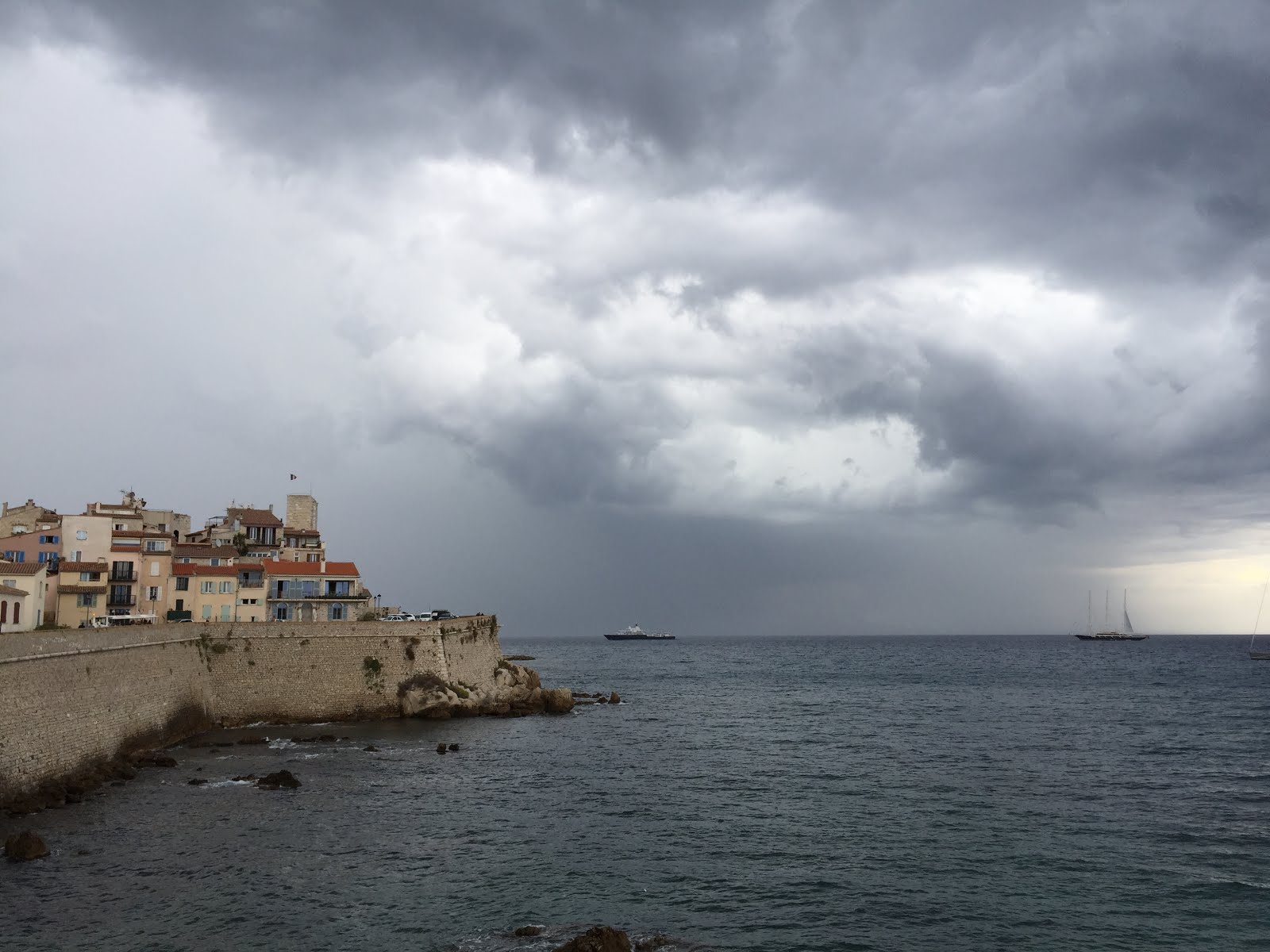


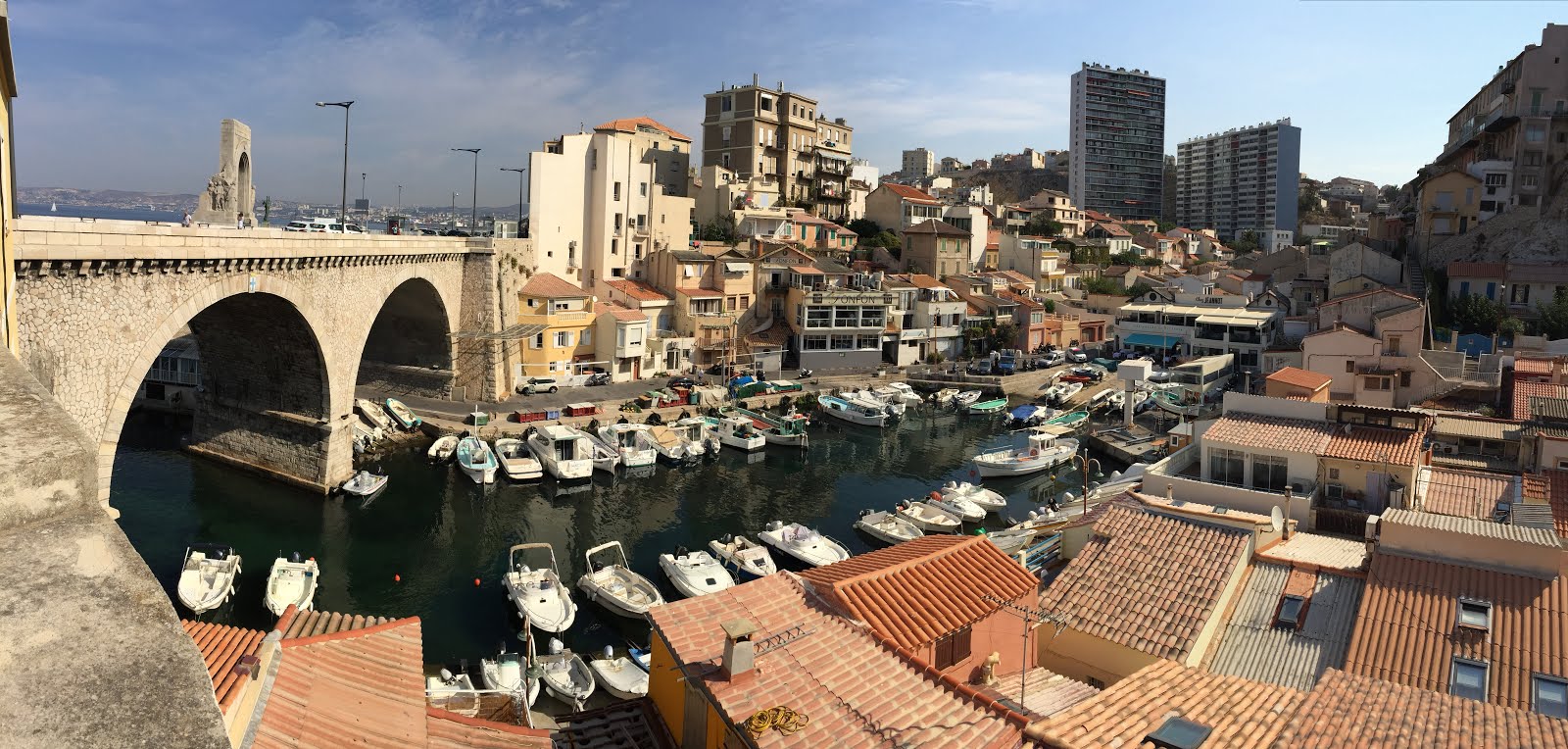
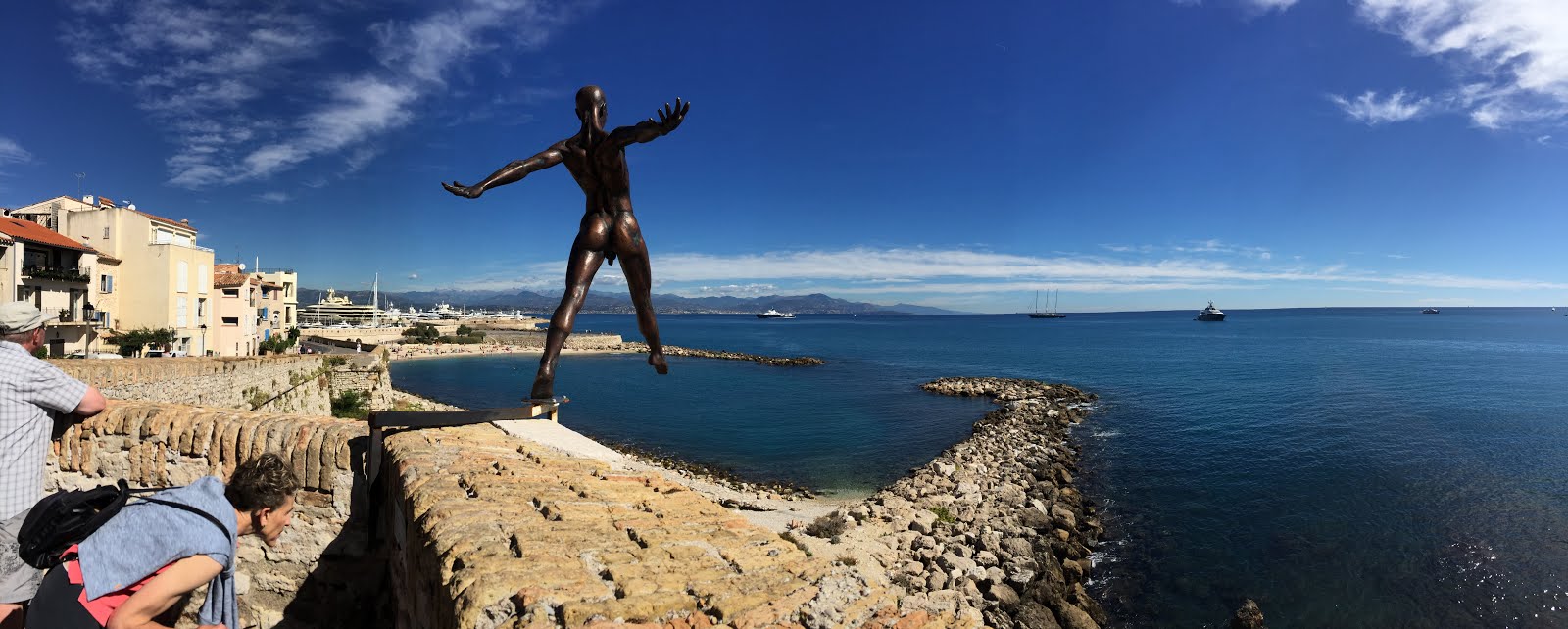

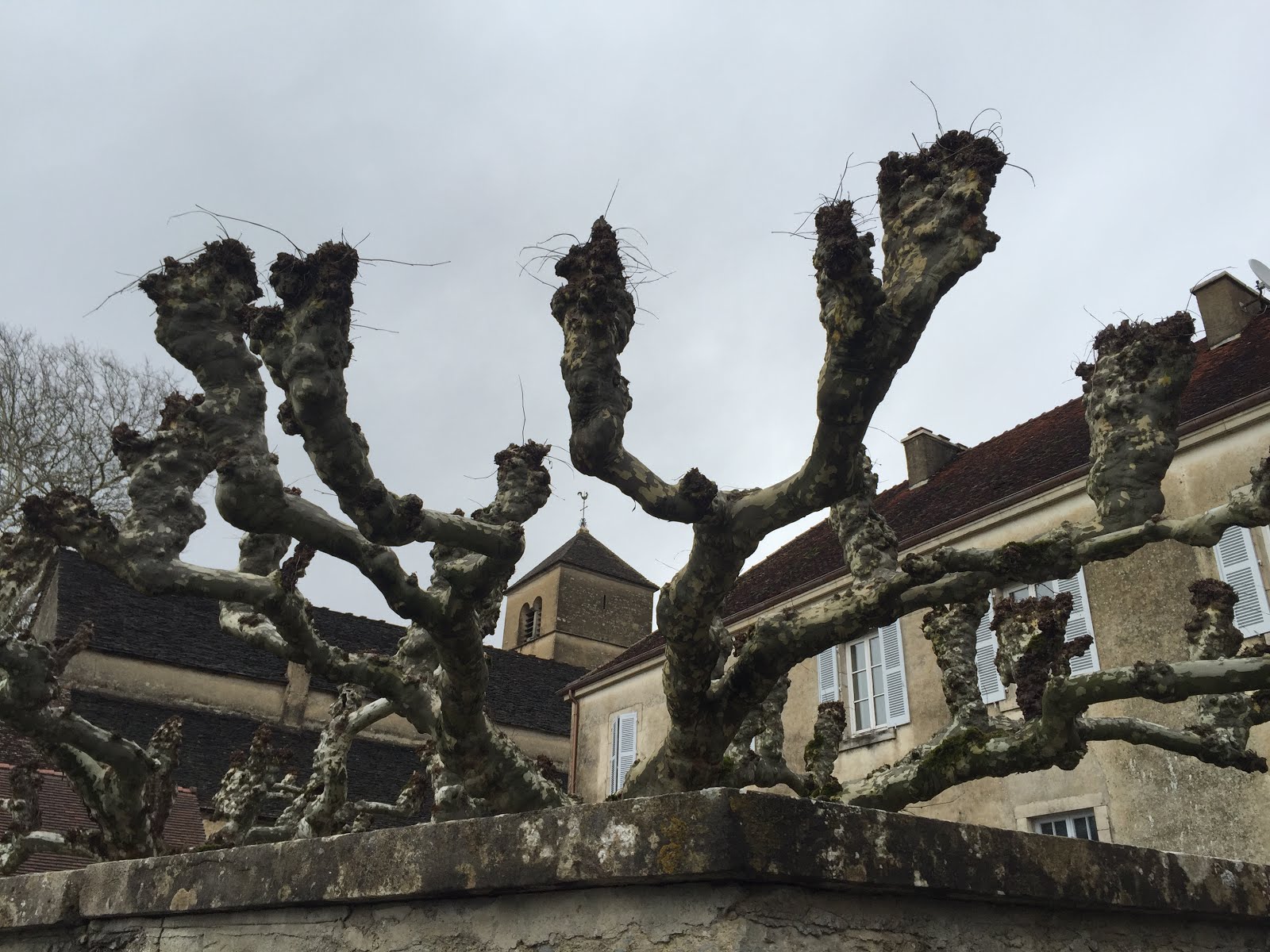
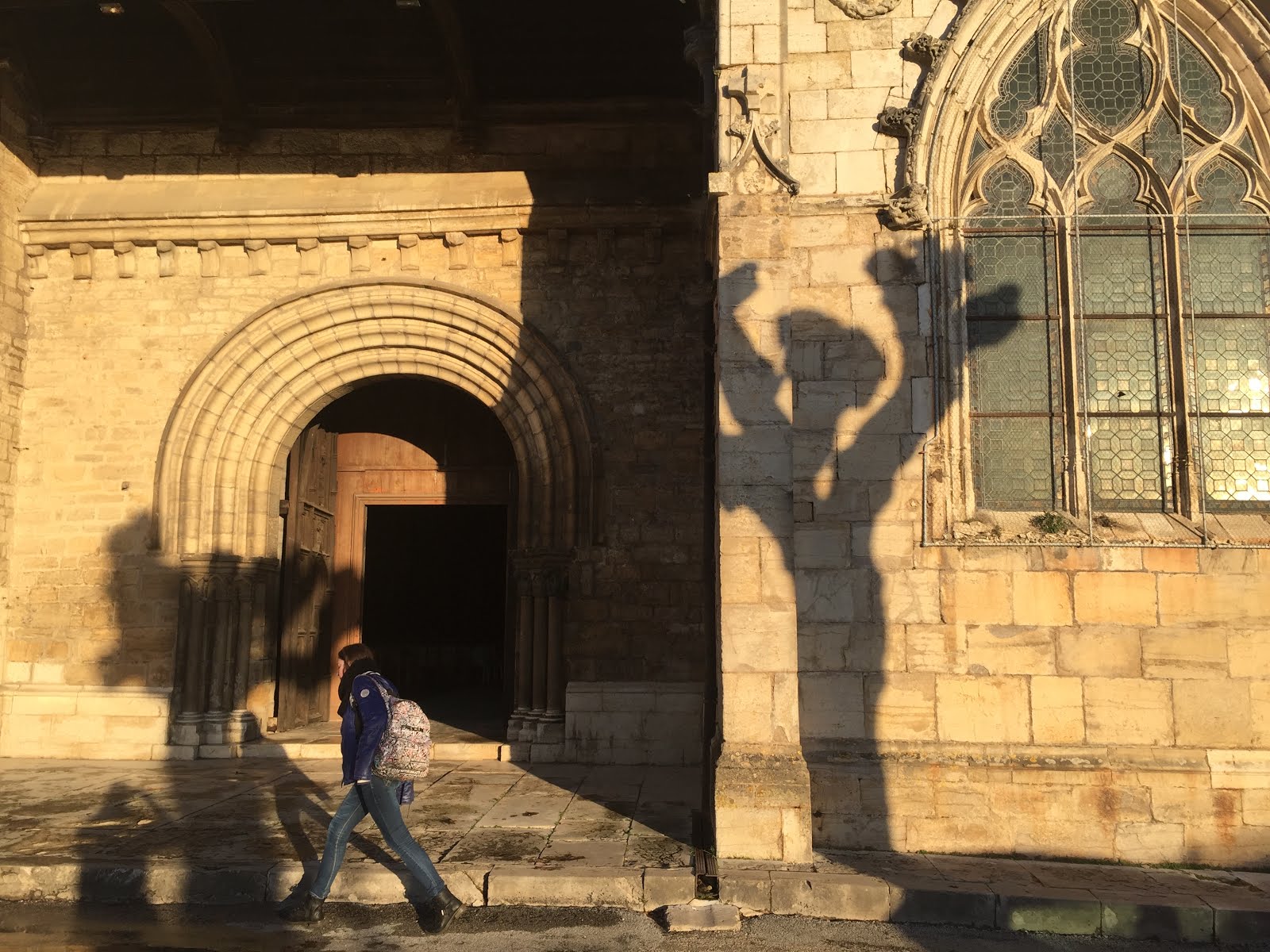
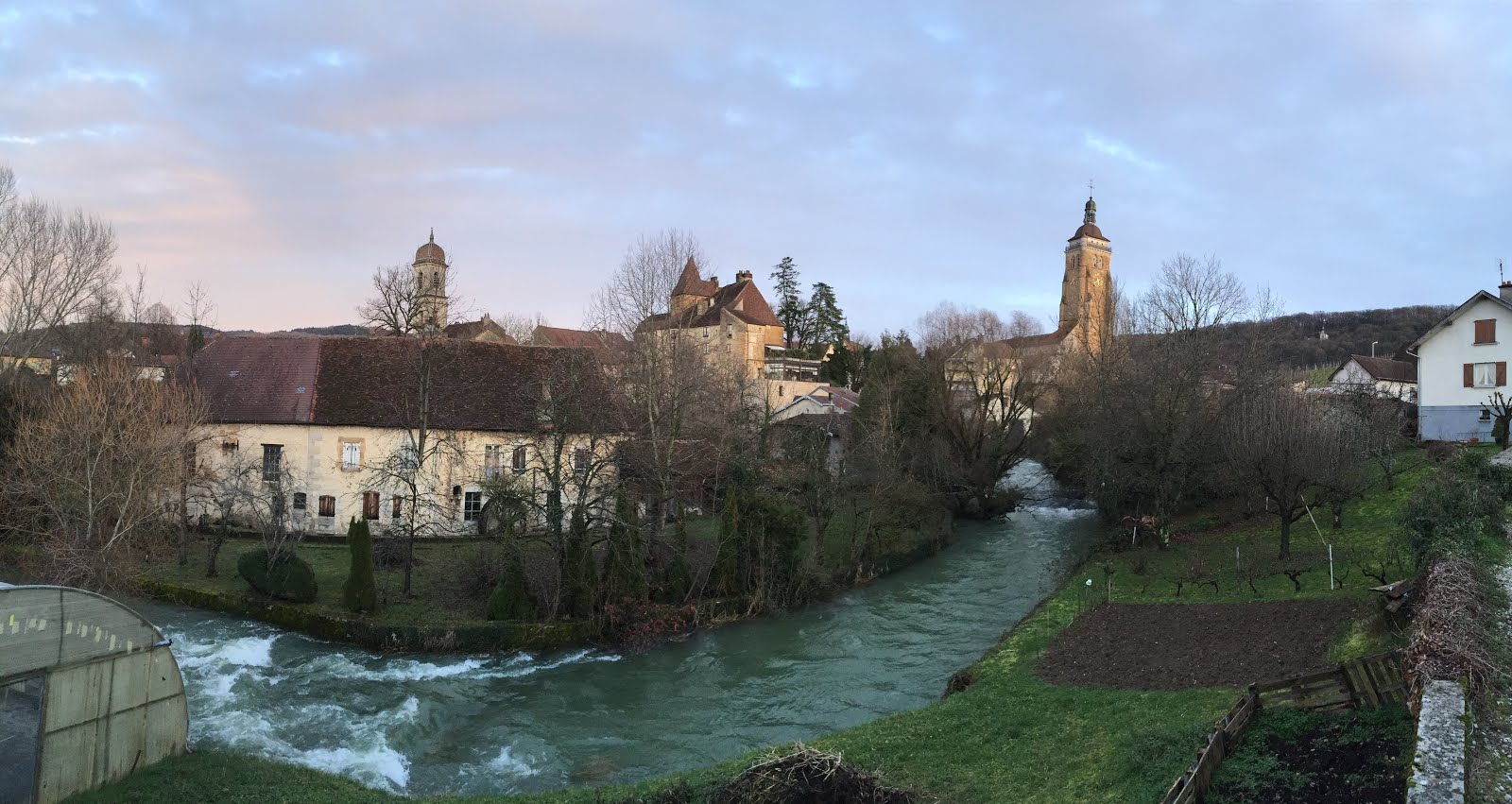
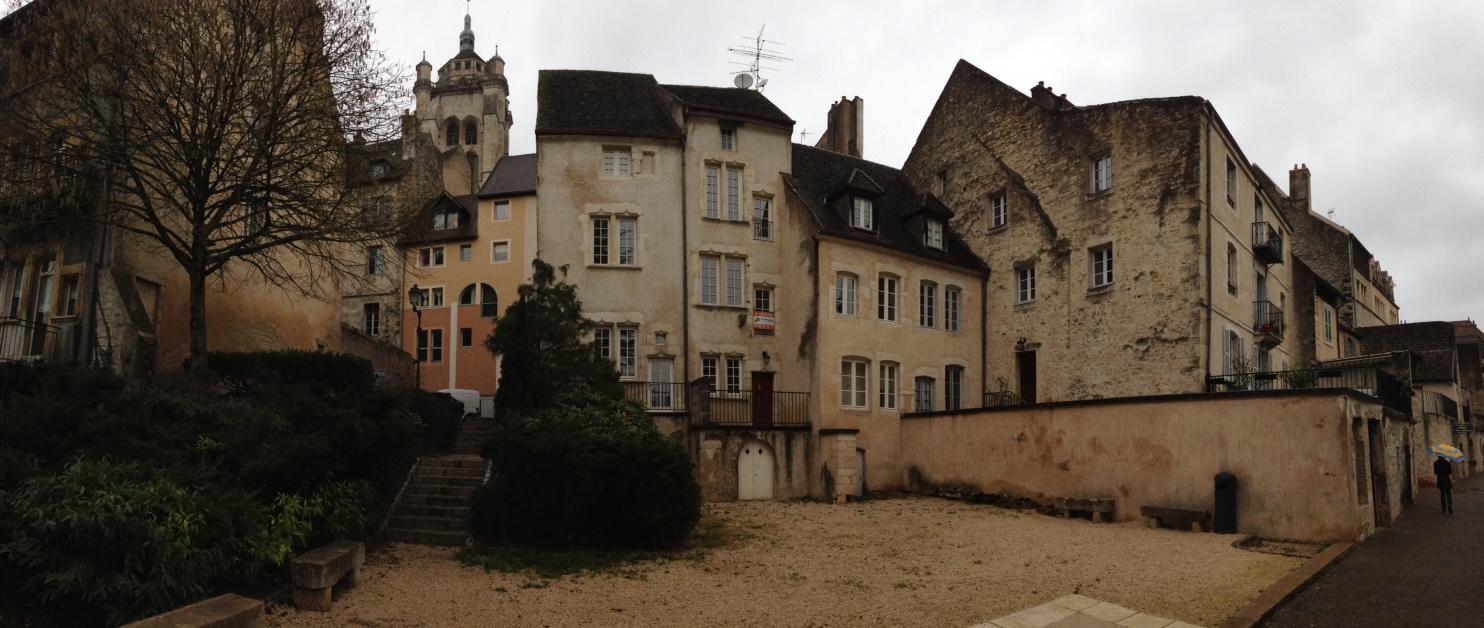
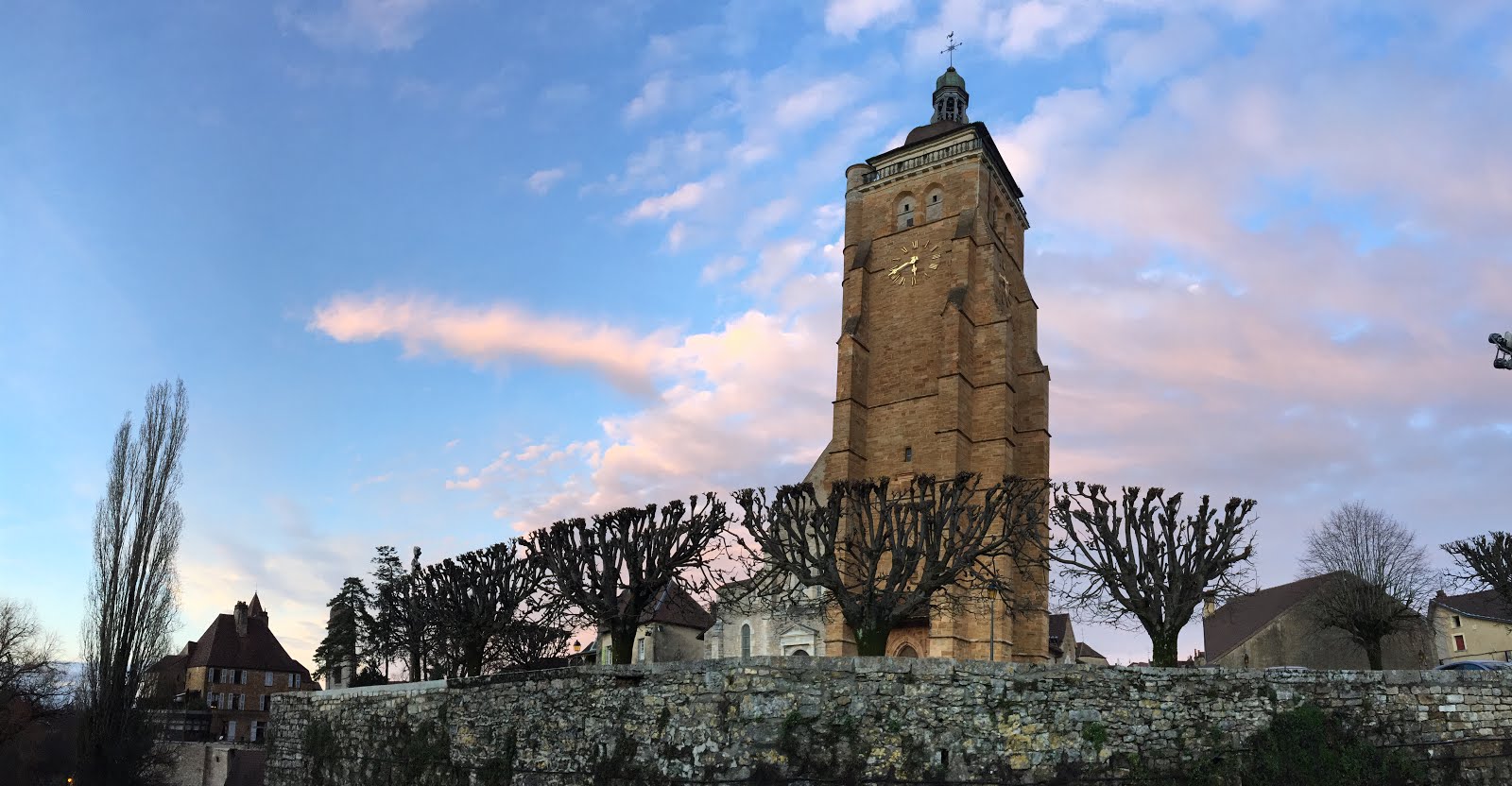
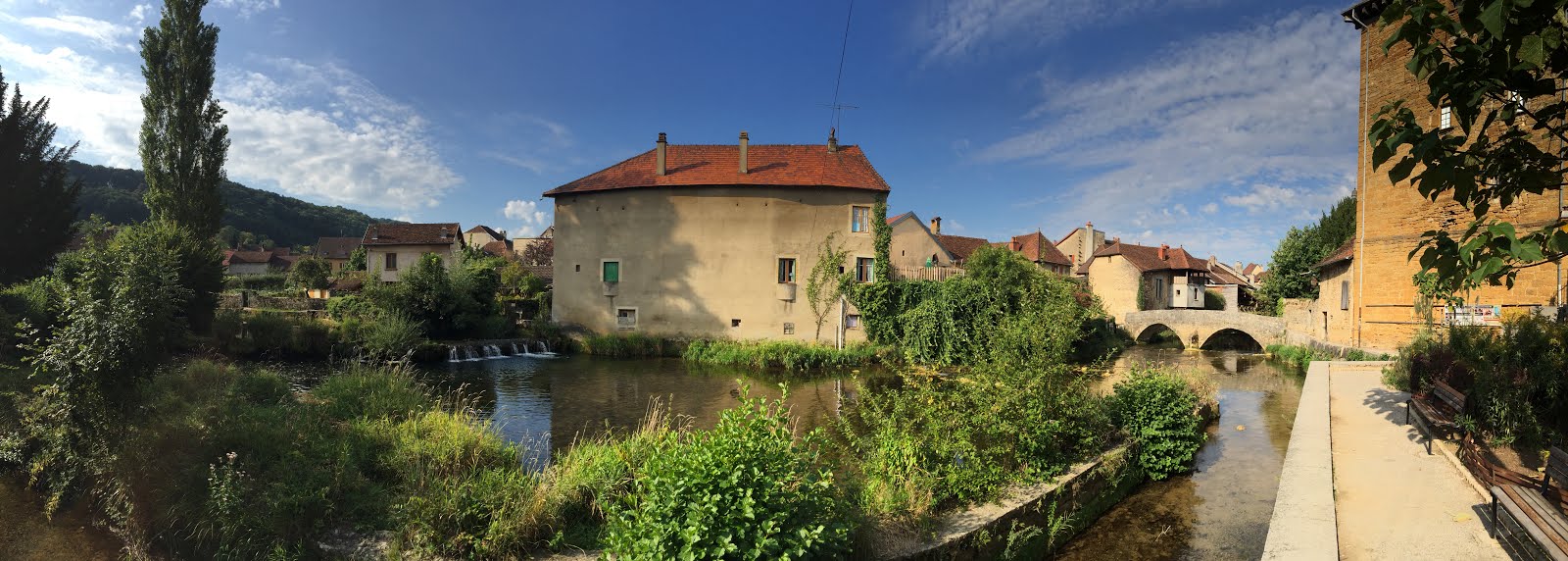


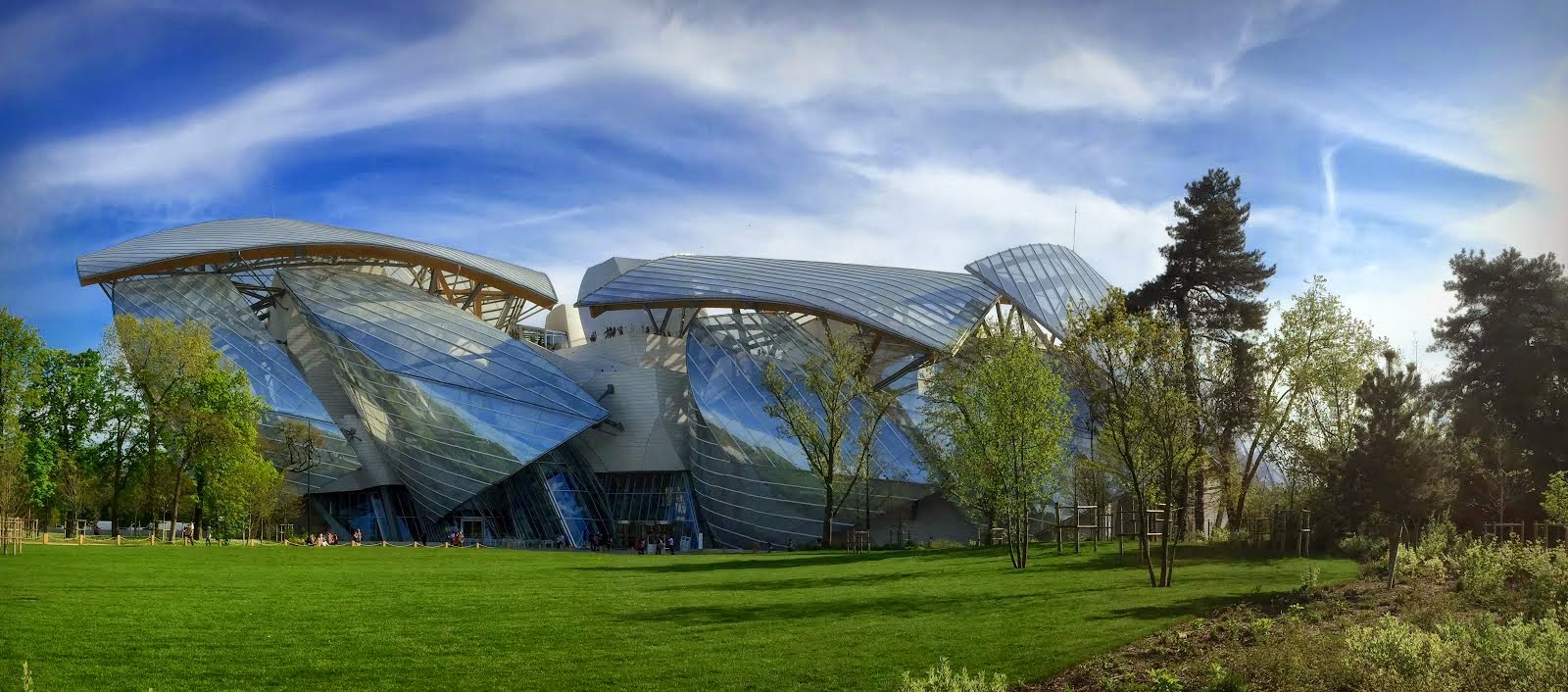
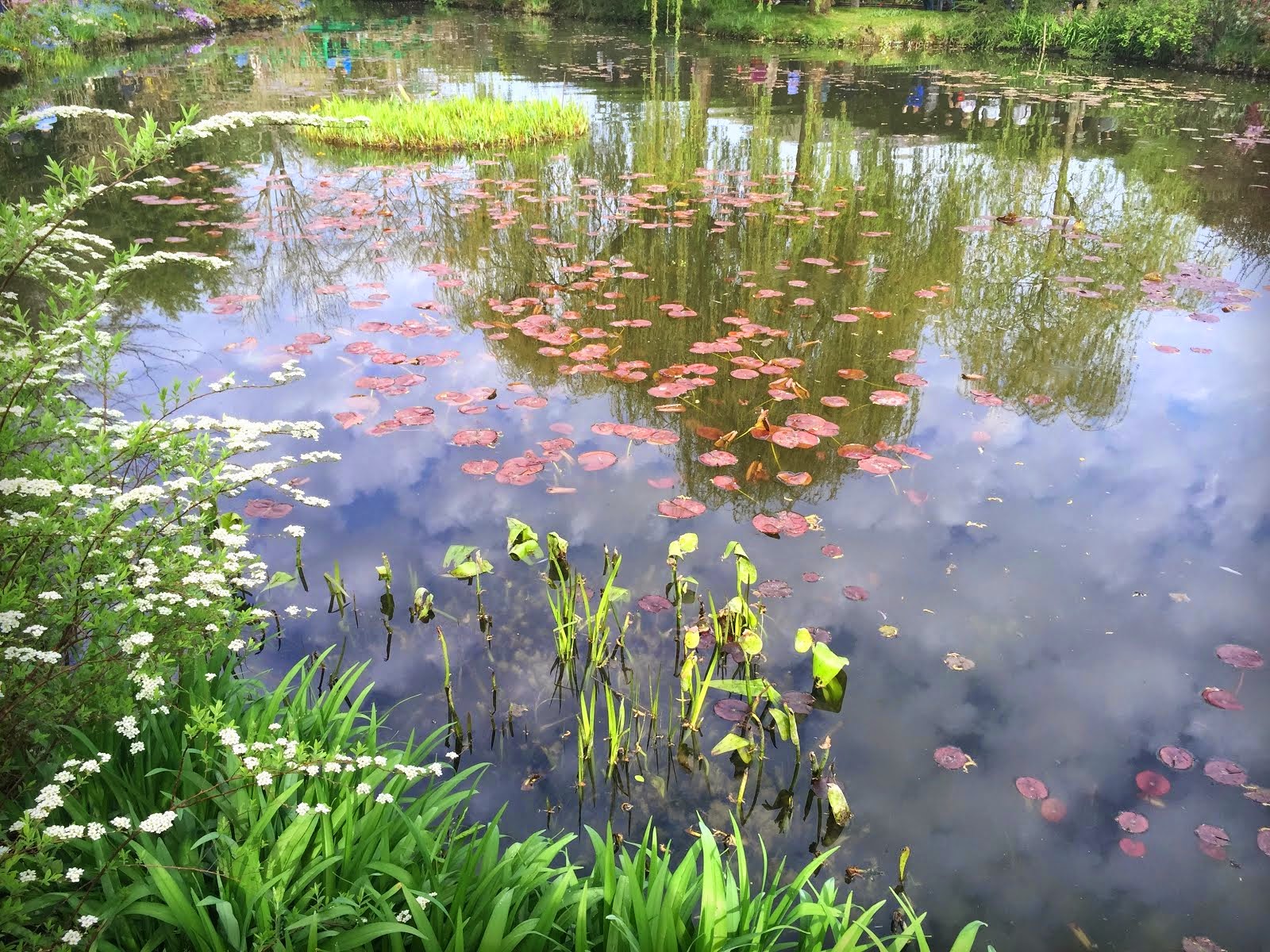

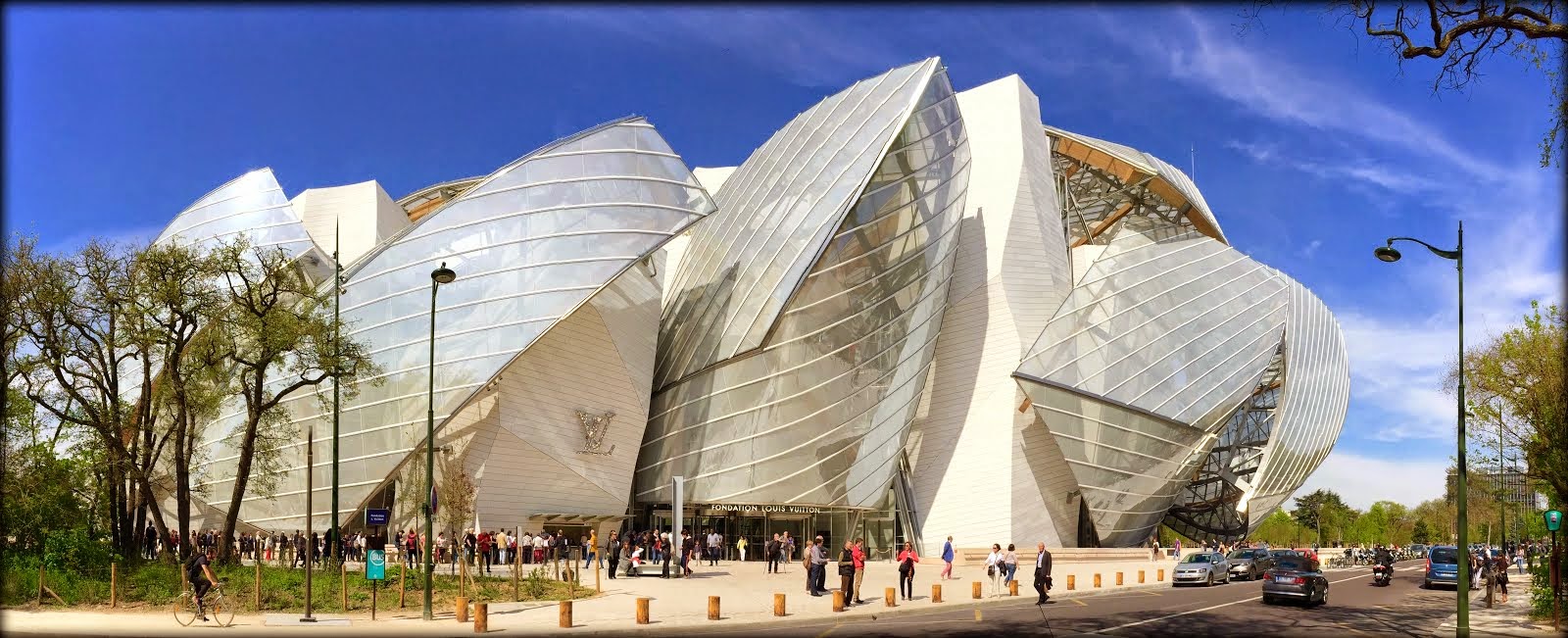
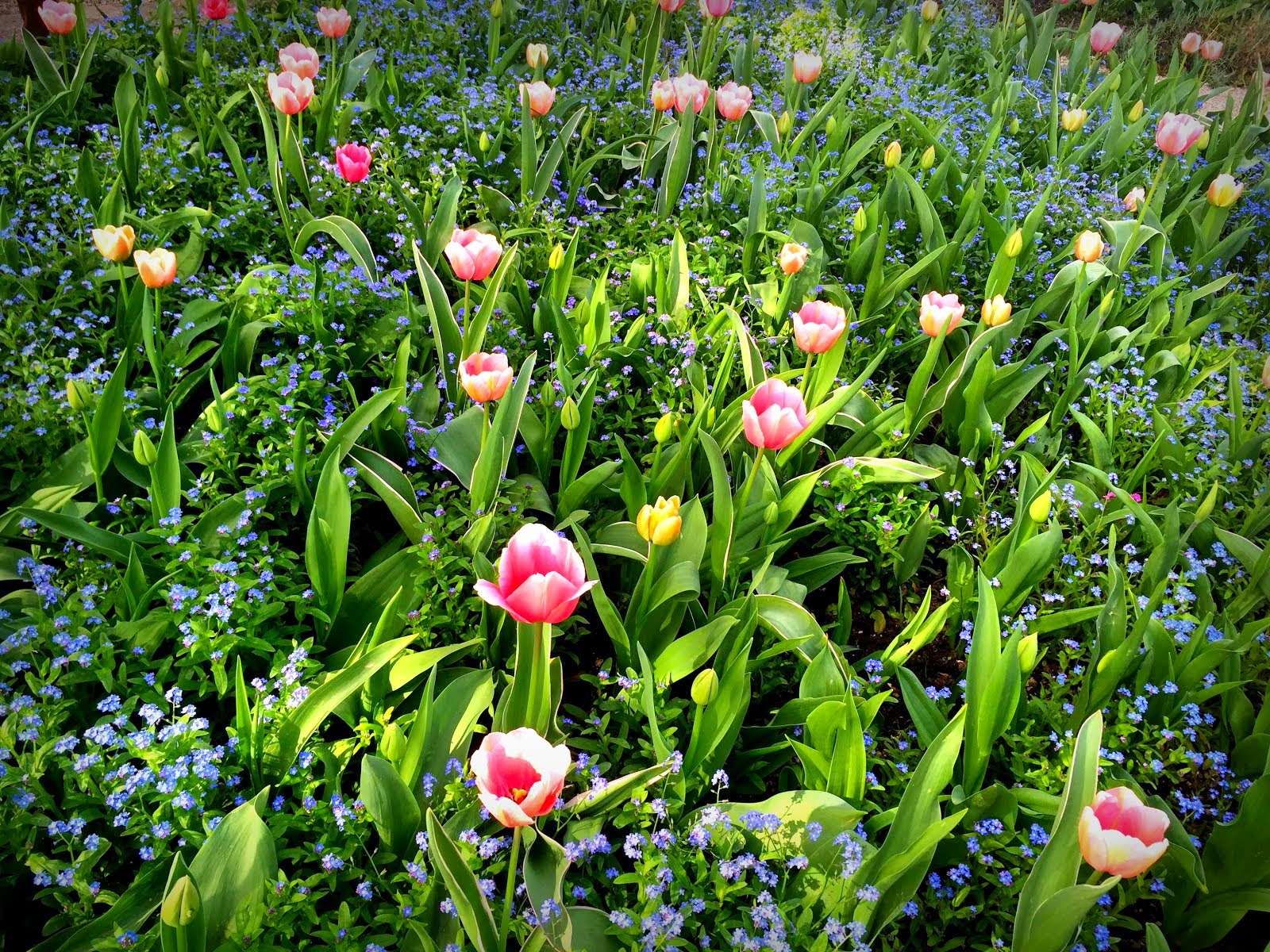



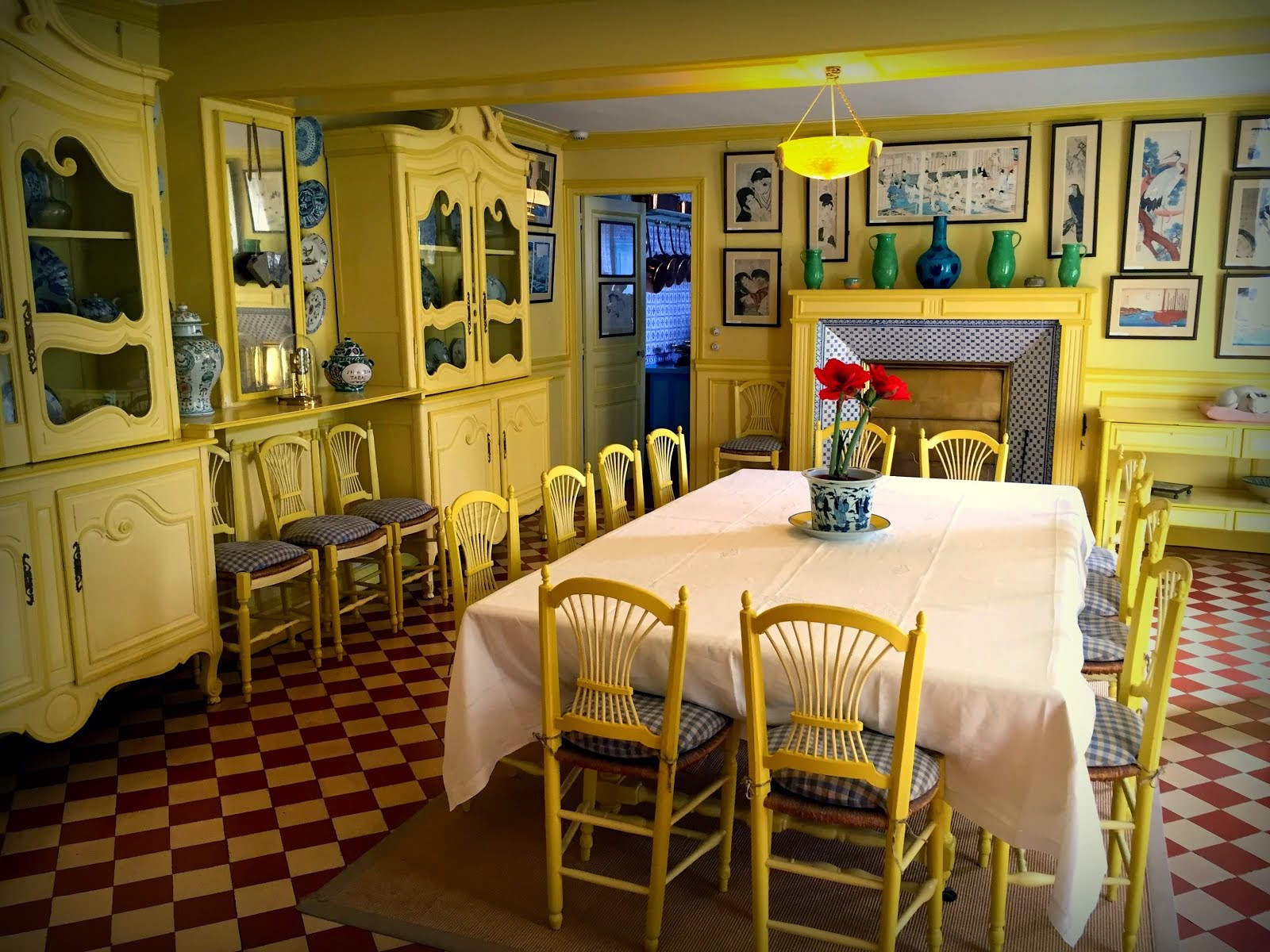
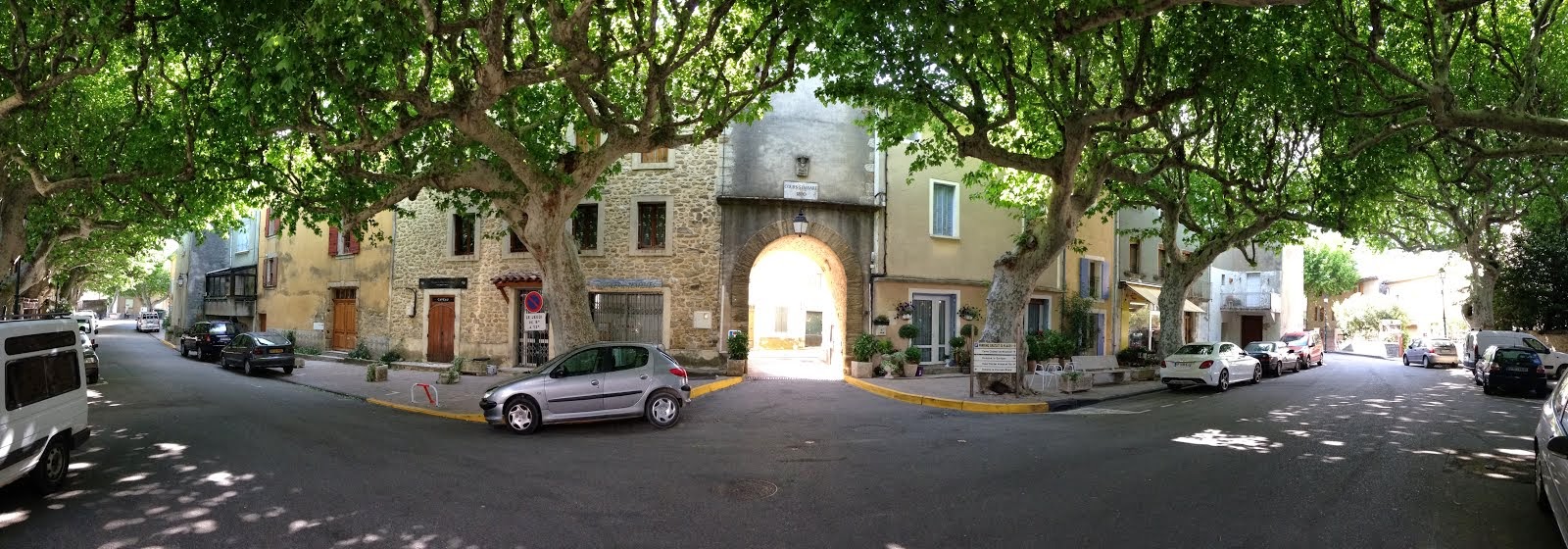

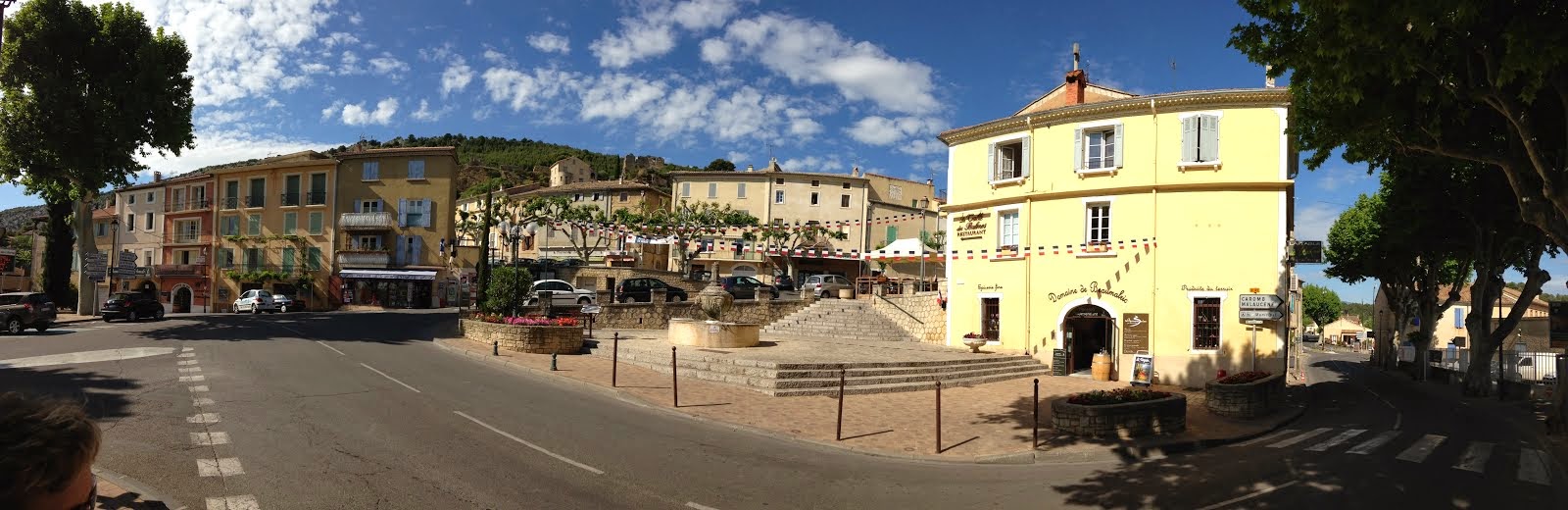
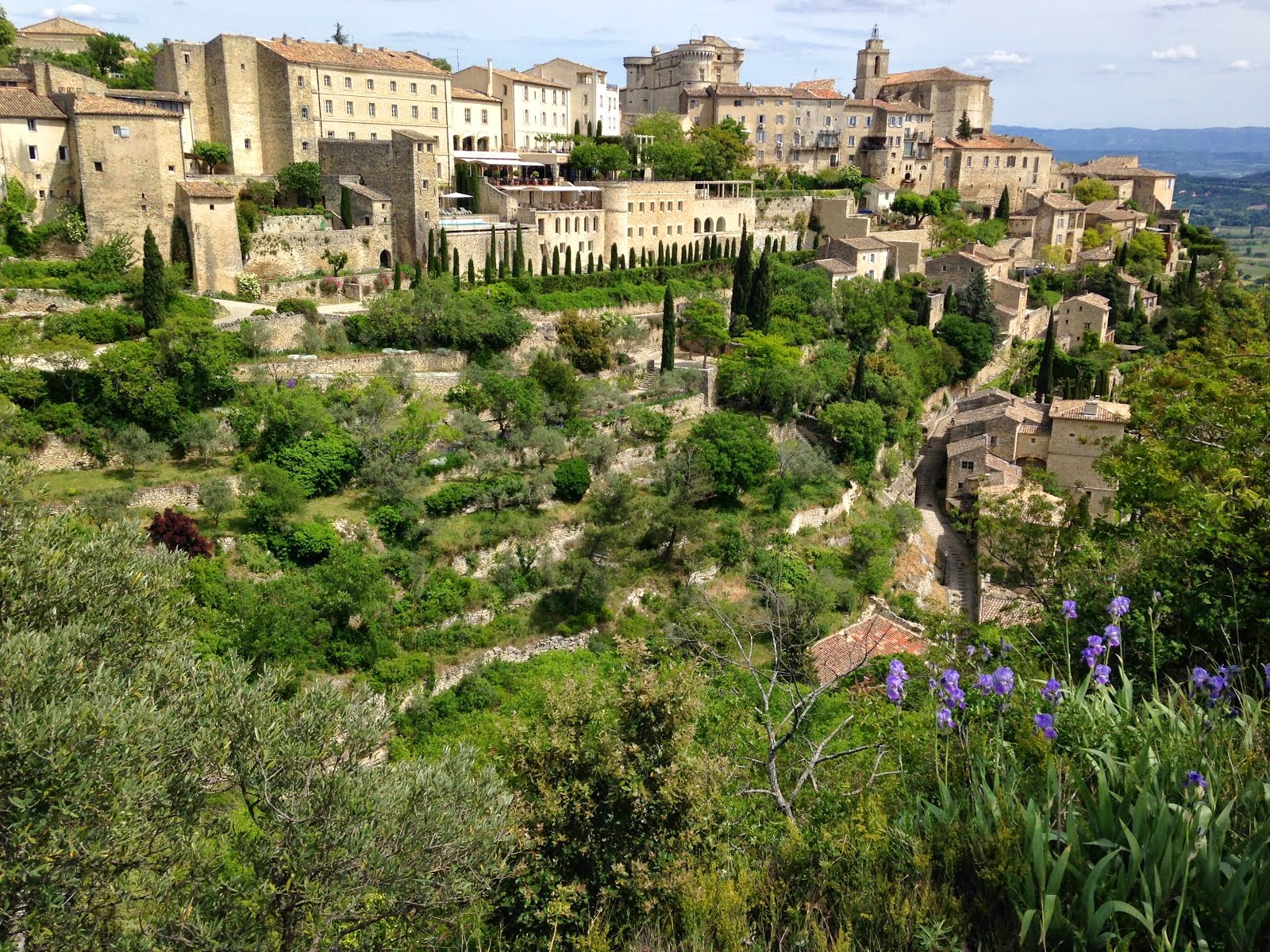
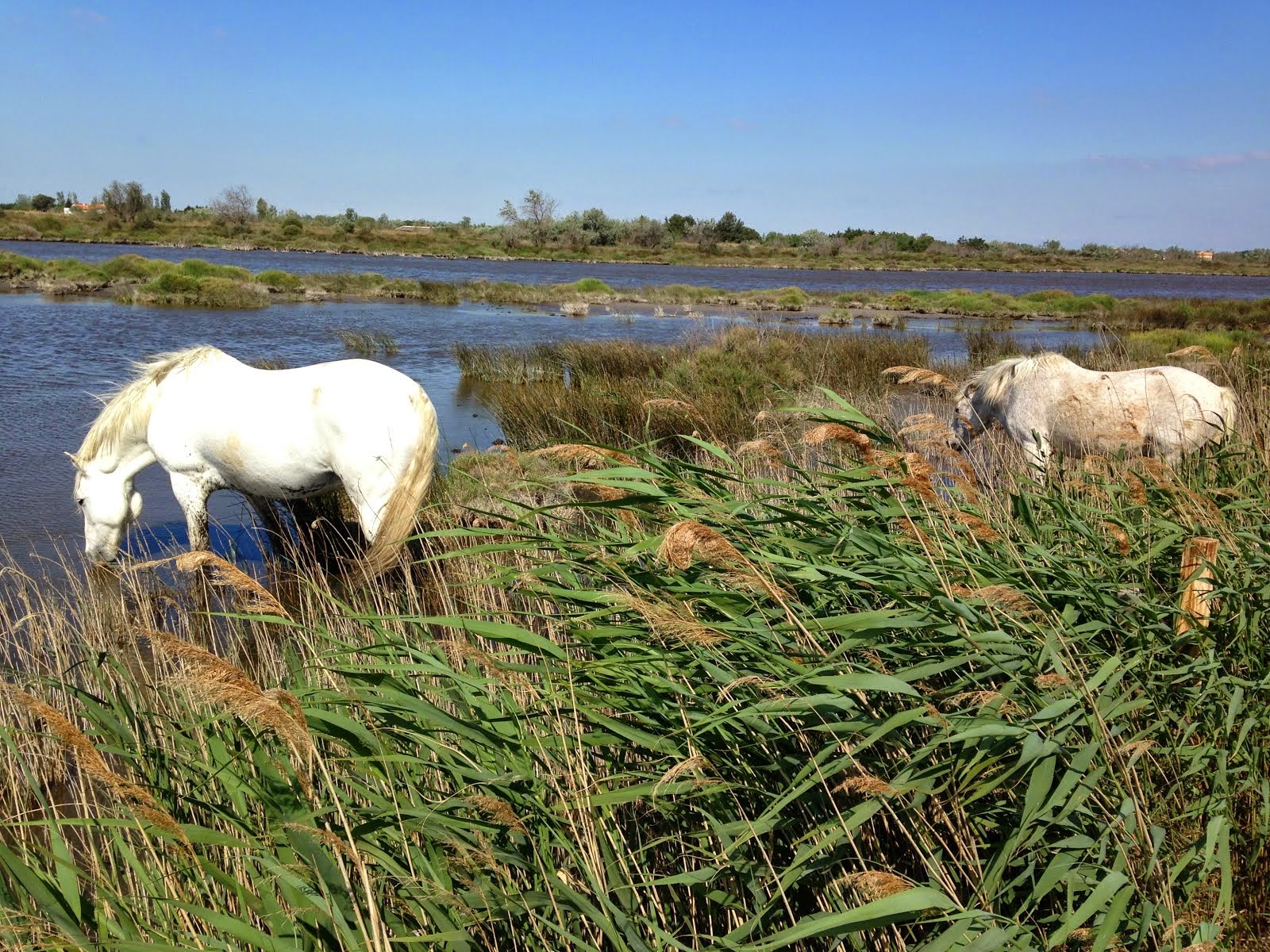
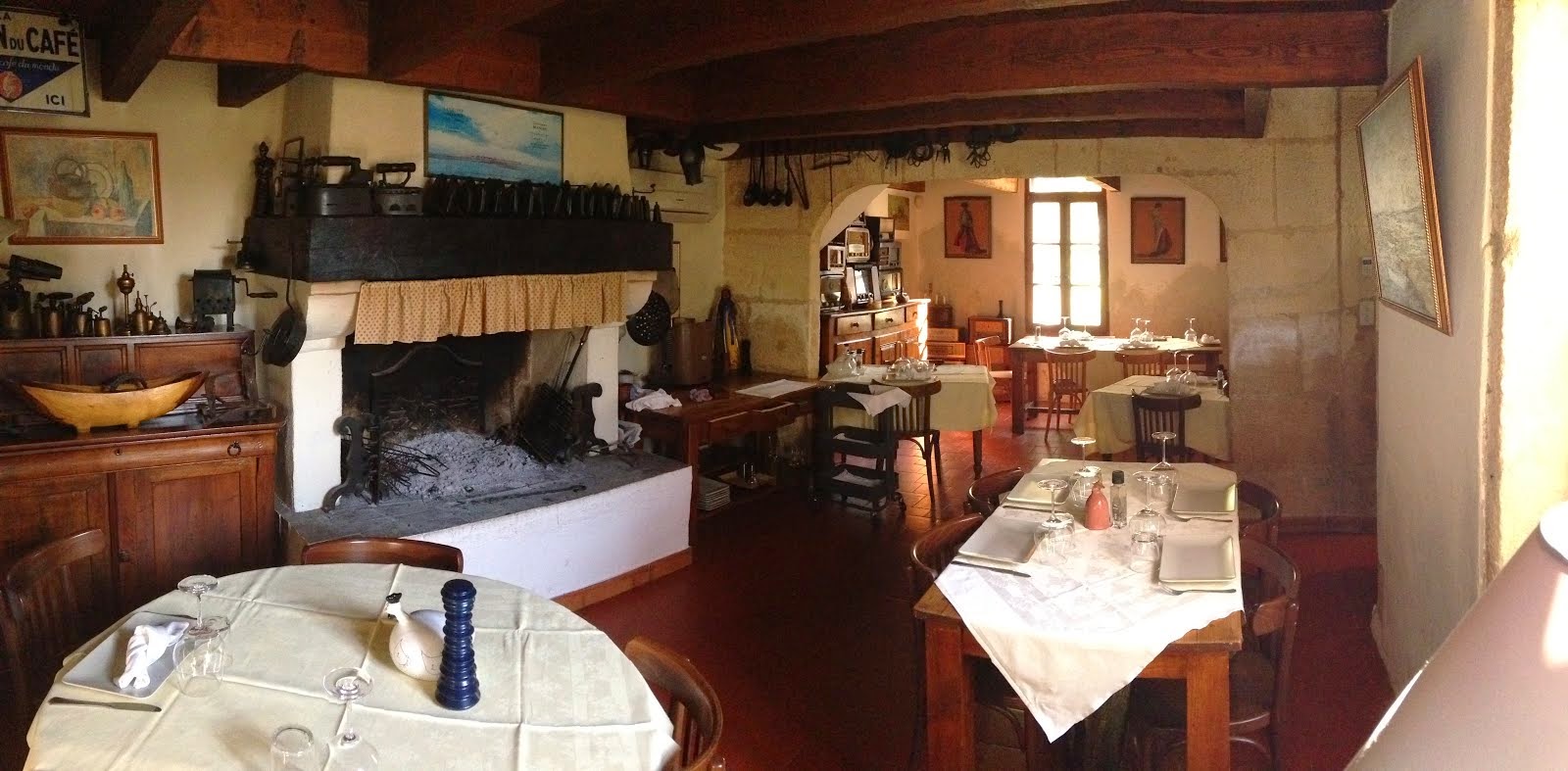
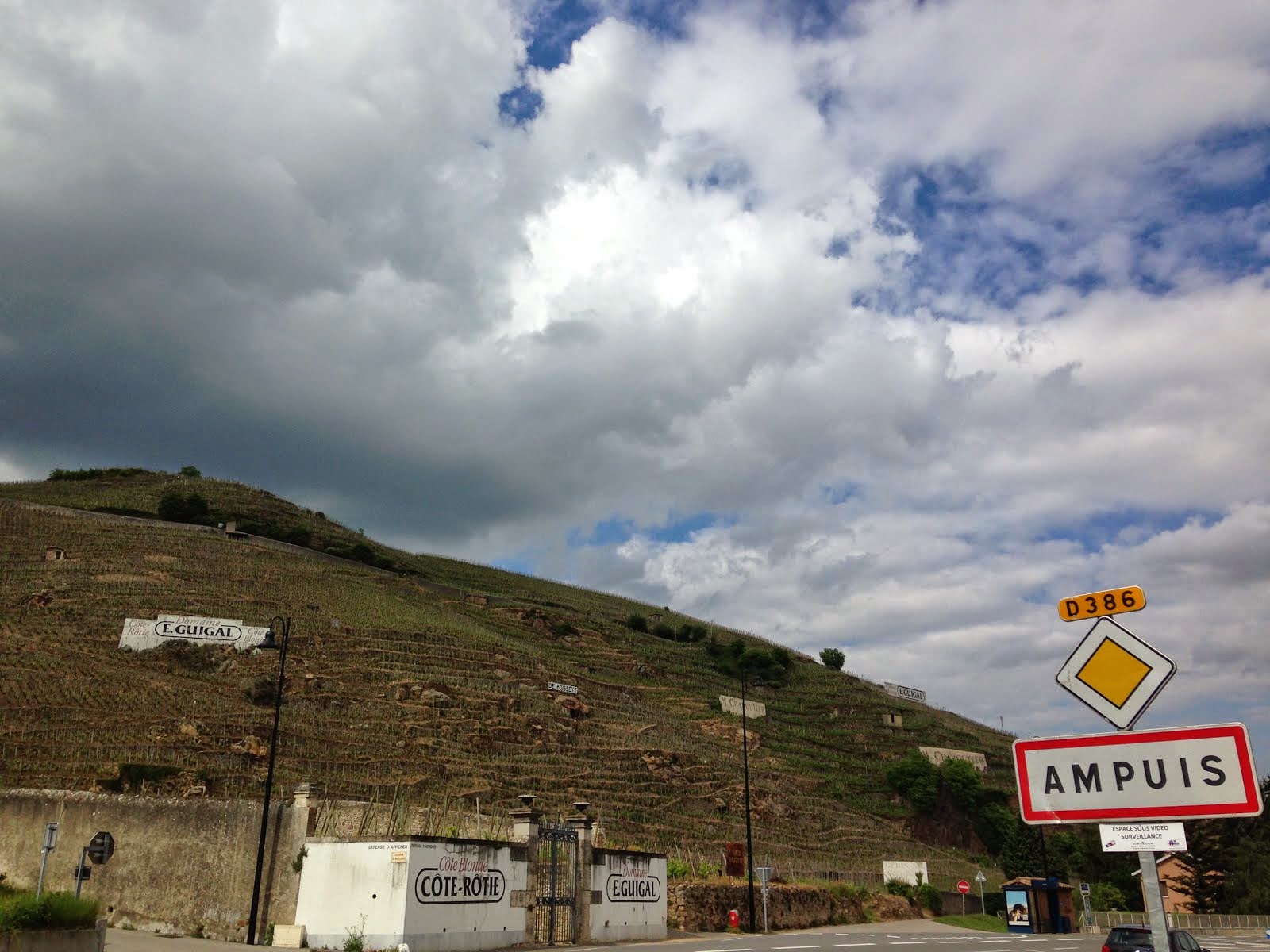

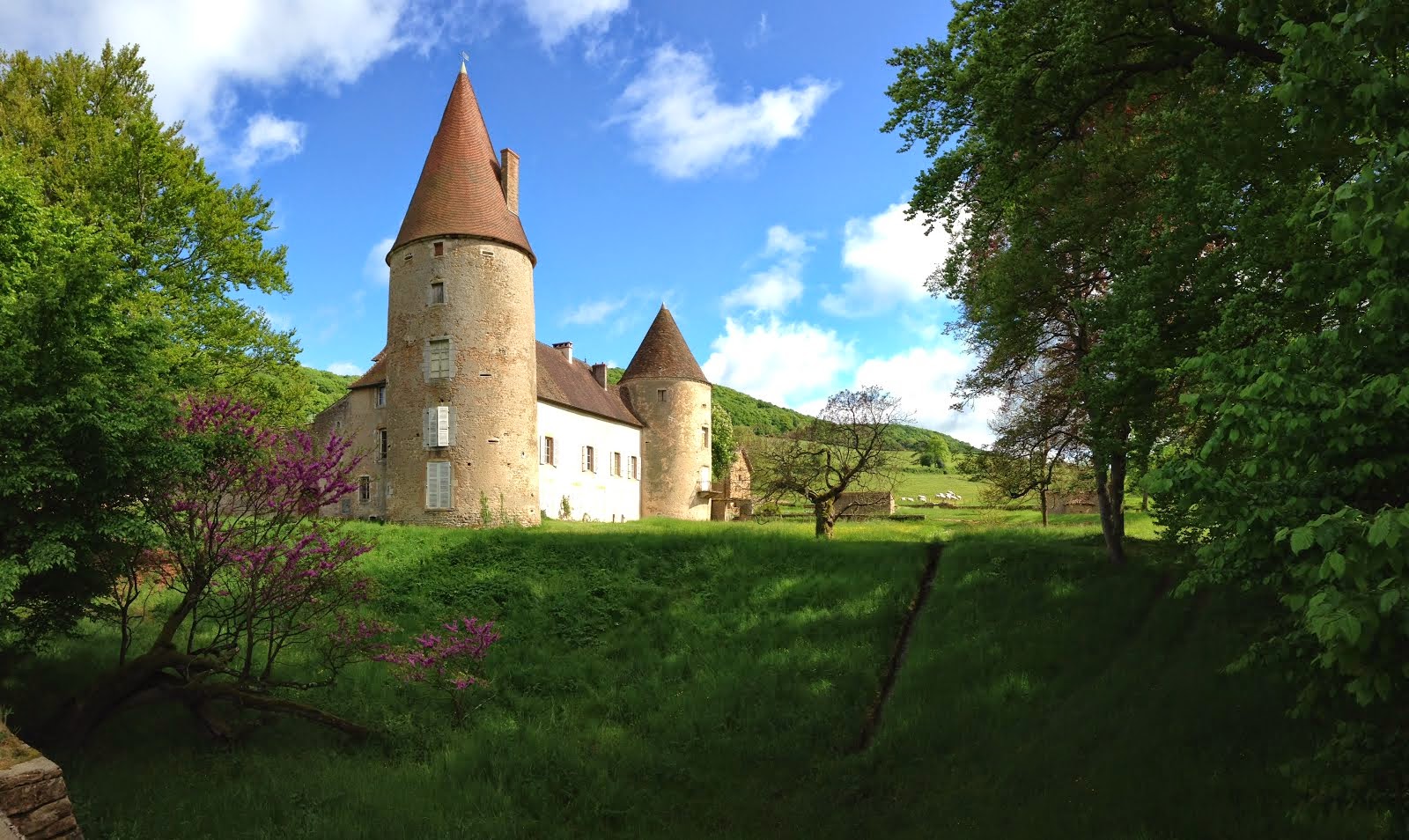
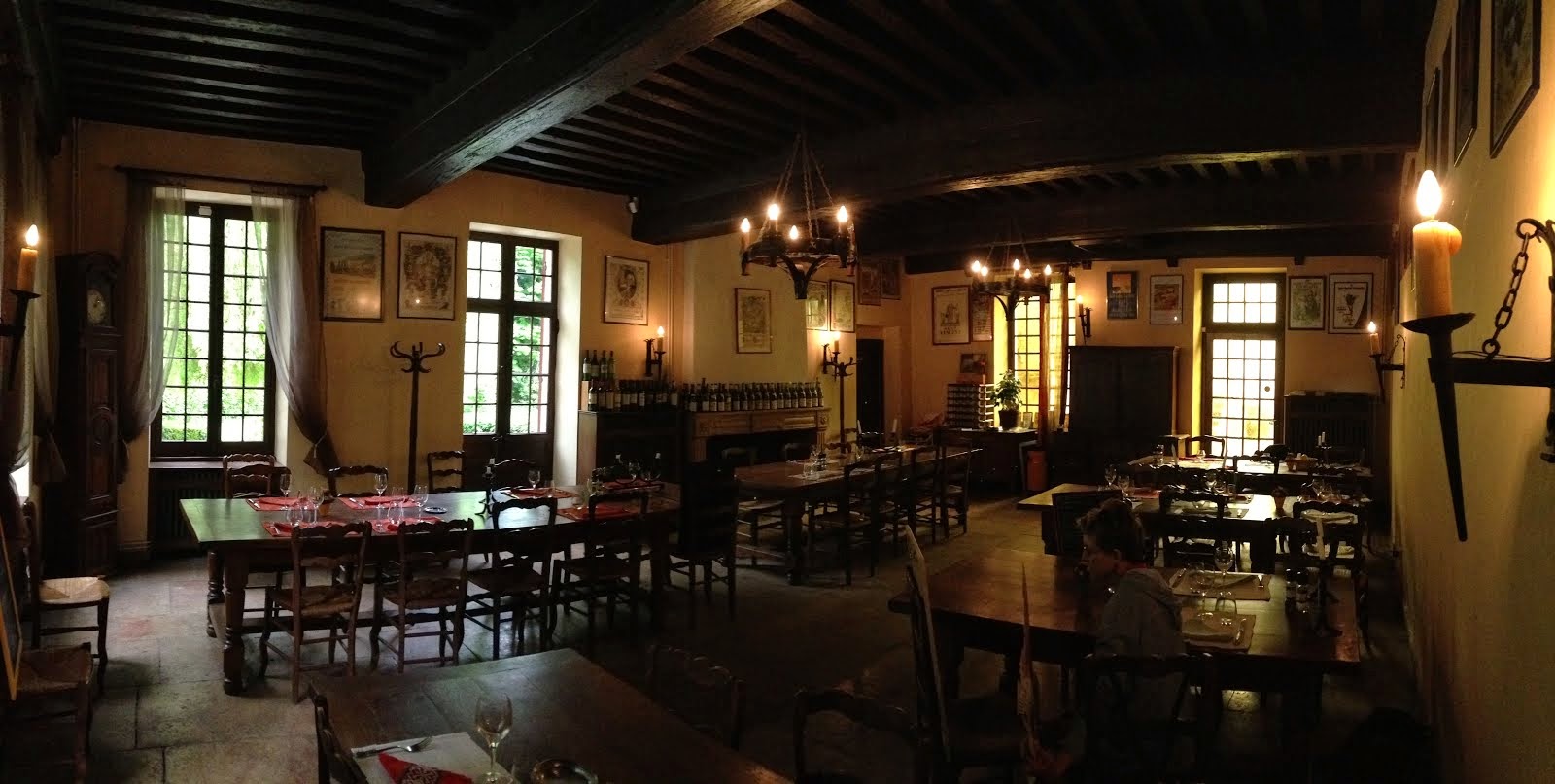



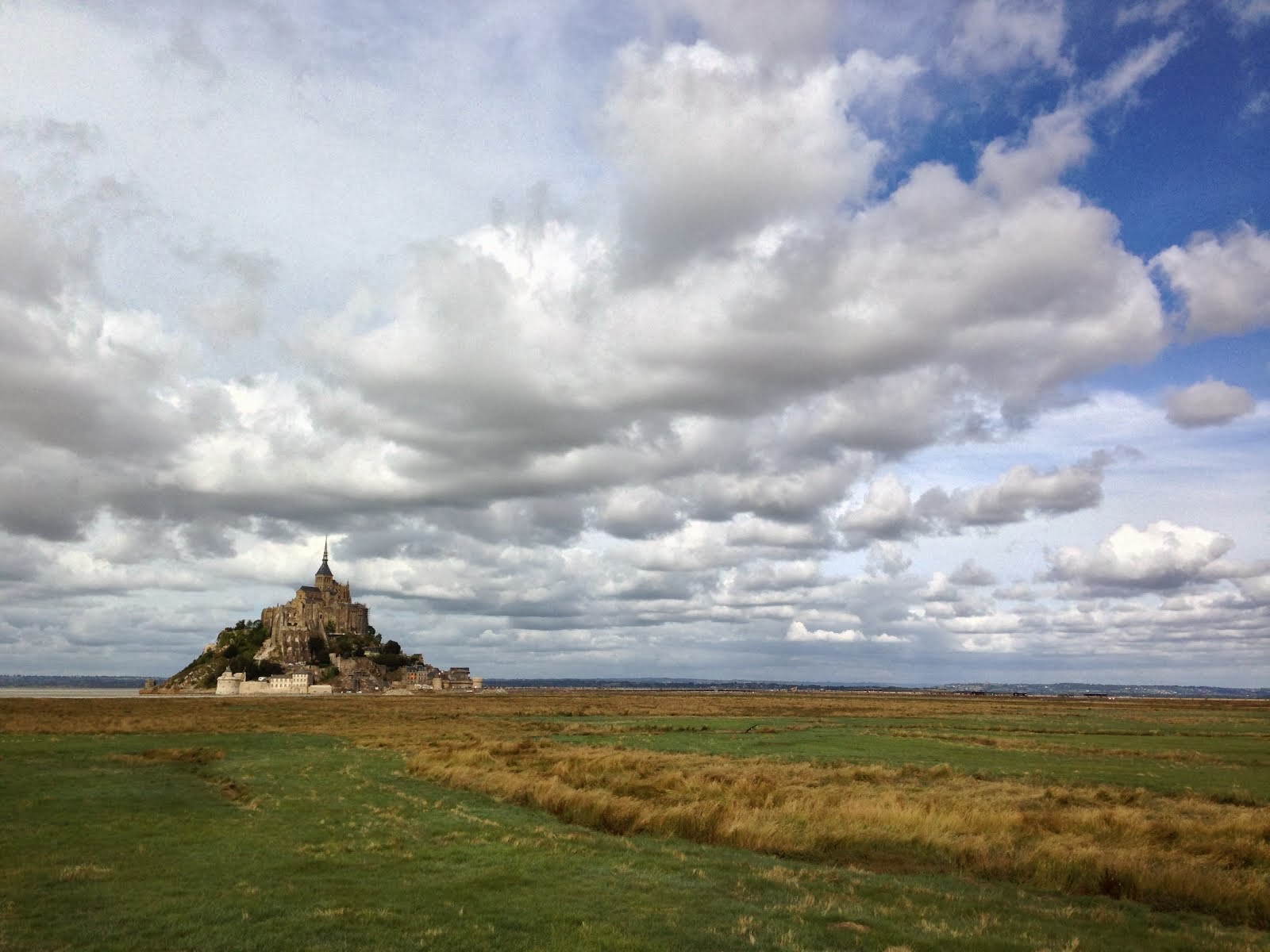
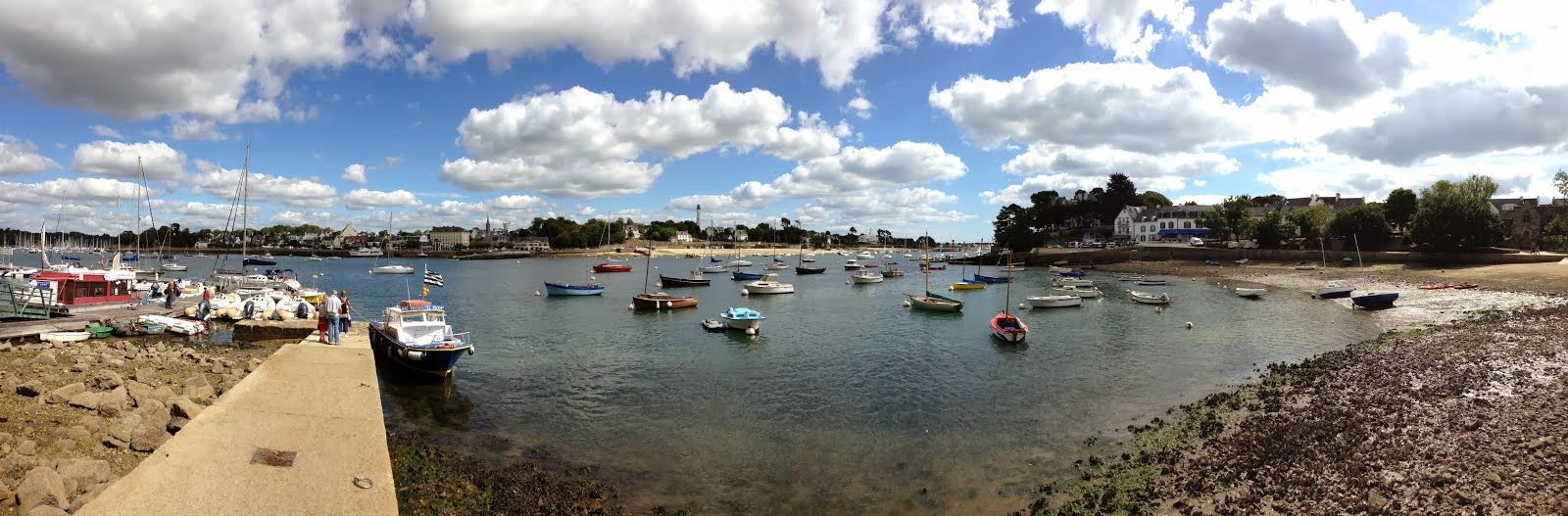

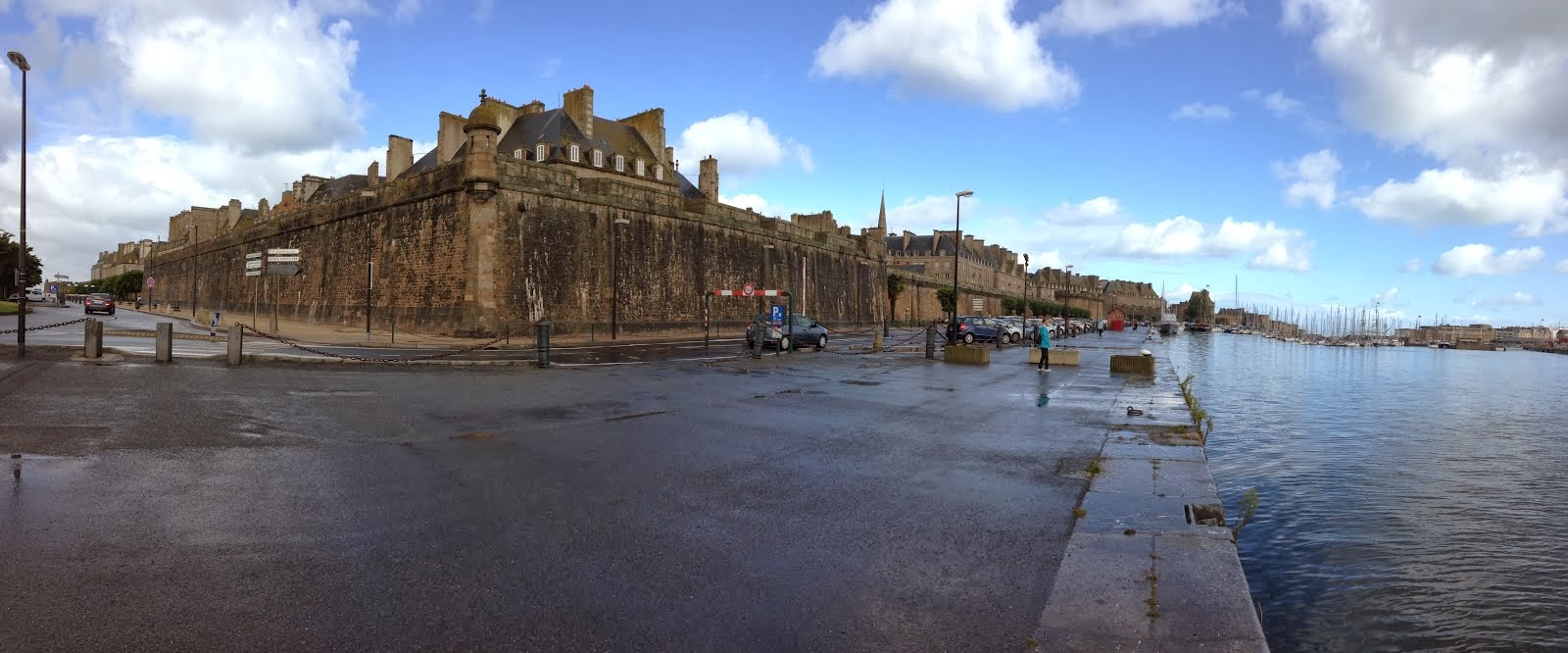







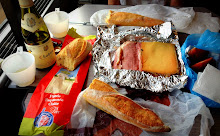

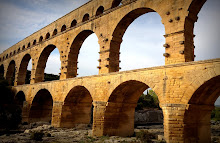


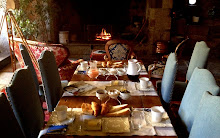

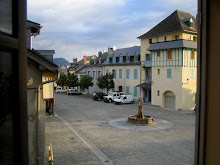
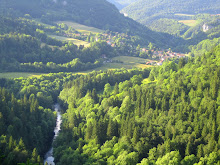

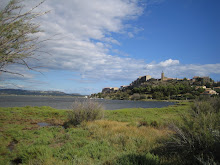

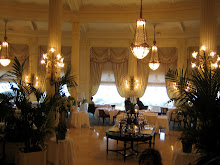






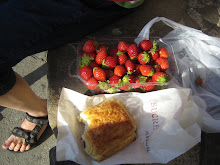
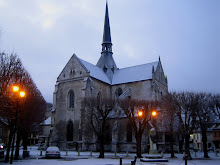
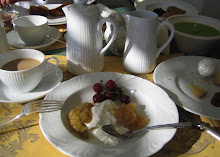
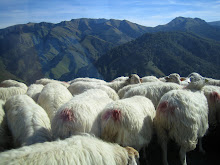


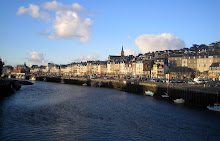
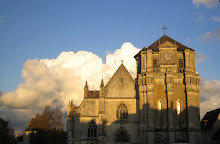

.jpg)

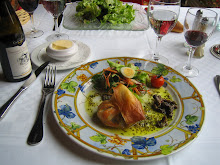
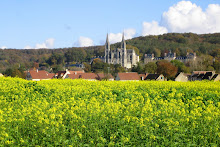

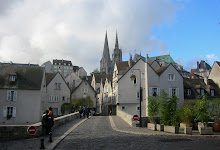
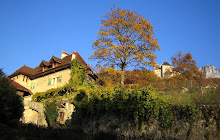

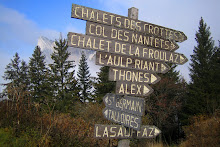
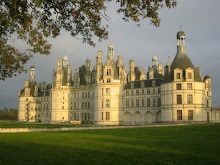
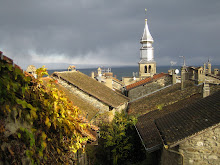
.JPG)
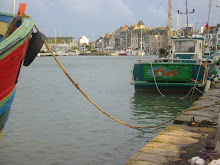
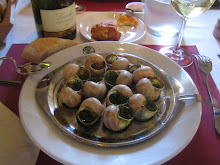
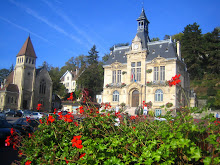

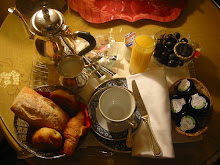
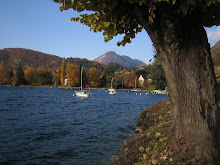

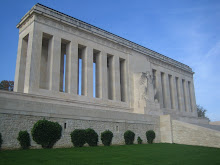
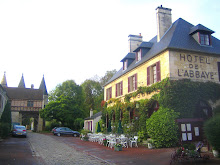
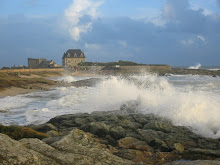
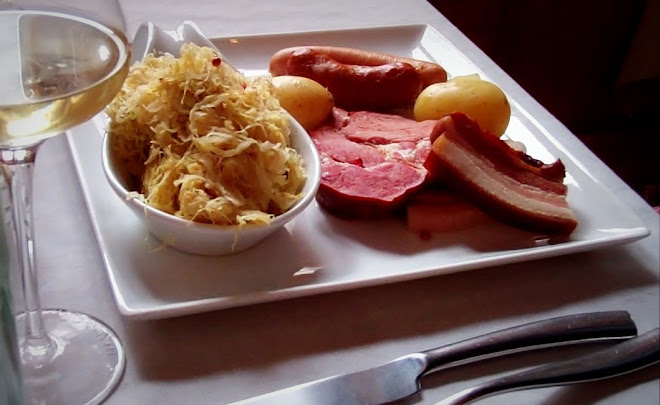

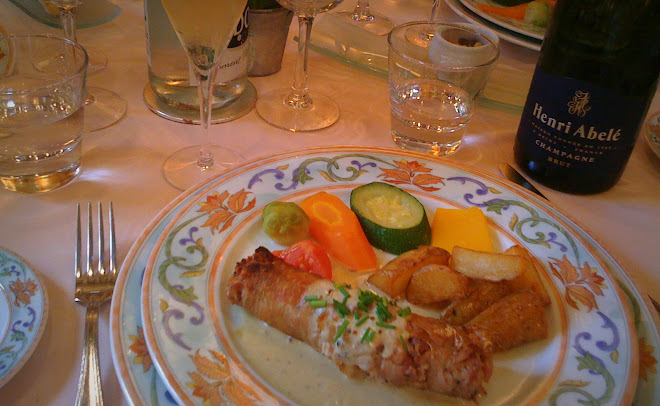
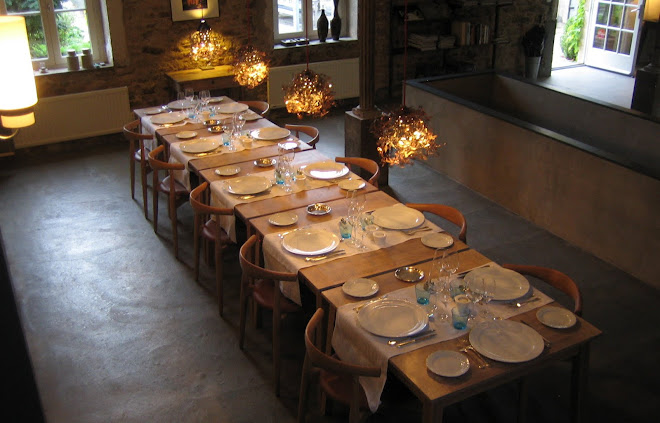

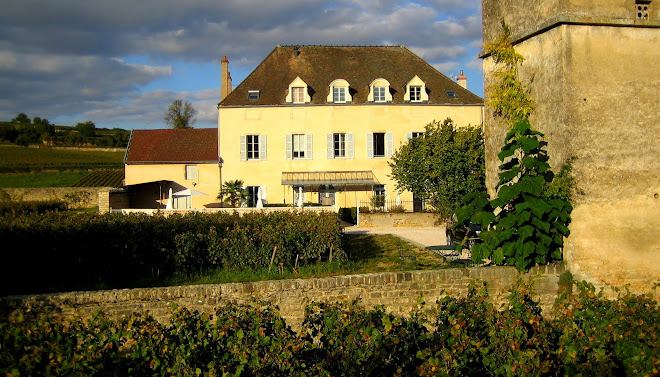
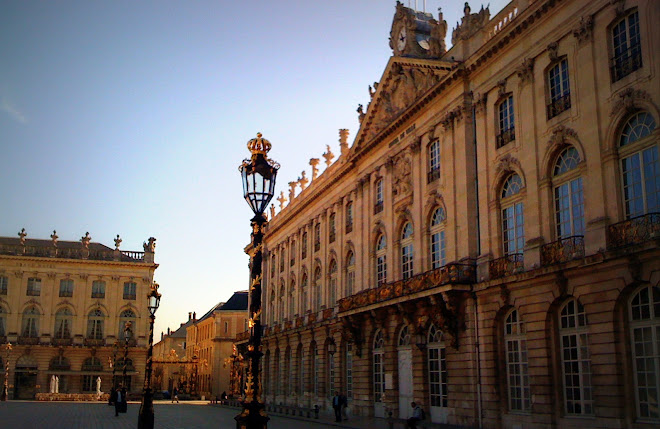
.jpg)